
Film Composers
In the era of the silent film, continuous accompaniment had existed mainly to drown out the noise of rowdy projectors and had been supplied by a lone, live pianist or an organist majestically rising into view at the controls of a Might Wurlitzer. Once sound came in, such noises off became less of a distraction and instead a background score could be used to enrich the fabric of the visual experience. Soon, each studio had recruited its own full-size orchestra, labouring daily and serviced by clusters of toiling composers and arrangers.
Between the wars, the underlying influence on film music was late 19th-century romanticism and opera. That’s why it’s so effective and memorable – it had shape, melody and passion. Most of it was imported by European composers, who were mostly Jews fleeing the rise of Nazism. The best of the bunch, like Erich Wolfgang Korngold and Max Steiner and Franz Waxman, came to the fore by dint of individual excellence in a crowded field.
Over time some composers were even able to build lasting and fruitful relationships with specific directors, like Bernard Herrmann and Alfred Hitchcock, though it wasn’t until the era of the auteur in the late fifties and sixties that directors were able to make their own choices, and here again it was Europe which largely showed the way. In France, Francis Lai wrote over thirty scores for director Claude Lelouch; in Italy, Ennio Morricone and Sergio Leone attended the same primary school in Rome before establishing their symbiotic partnership, and once he’d discovered Maurice Jarre, David Lean never used anyone else. More recently the tradition has been continued by the likes of John Williams and Steven Spielberg, Danny Elfman and Tim Burton, James Horner and James Cameron, and Hans Zimmer and Christopher Nolan. Canadian Howard Shore is a consistent collaborator with three big directors – David Cronenberg, Martin Scorsese and Peter Jackson, while the pre-eminent British film composer, John Barry, became synonymous with an entire franchise, contributing to eleven James Bond titles, while also winning Oscars for, among others, the Africa-based Born Free in 1966 and Out of Africa in 1985. (He’d already dipped his toe into the continent in 1964 with Zulu).
The debate continues as to the function of a good score. Some will say the best film music is unobtrusive; it supports the action and mood and atmosphere of the scenes without drawing attention to itself. Others – myself included – are of the contrary opinion, and argue that a decent score is as vital an element in the rich fabric of a movie as the costumes and the lighting and the sets and the dialogue. What’s the point of having it if it’s not going to be noticed? The best film scores even have a life beyond the film, and some themes live on long after the film they were written for has become forgotten: Max Steiner’s main theme from A Summer Place (1959) and Mikis Theodorakis’s Zorba the Greek (1964) are among the best of these, with an honourable mention for Isaac Hayes’s Shaft (1971), which made a star of Charles ‘Skip’ Pitts and his twangling guitar.
On the other hand, everyone can hum The Magnificent Seven and The Third Man, both of which are at least as good as their films, and they would remain memorable even if the films they accompany were not. Music doesn’t just add to the experience, it multiplies it. And while a good score may not always be able to save a lousy film, if the action on the screen isn’t coming up to snuff, it’s always better to have something nice to listen to while your eyes are glazing over.
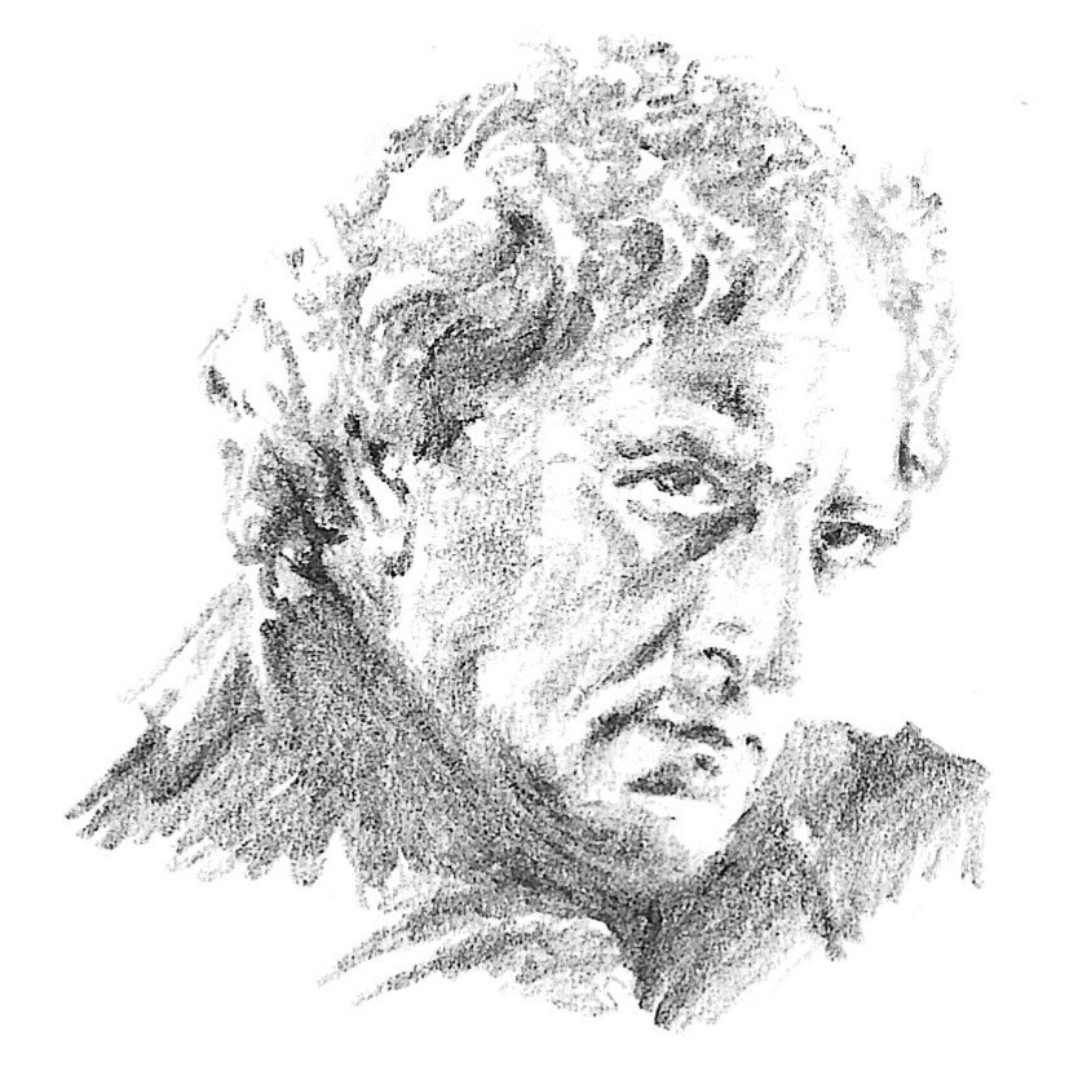
John Barry
(1933‒2011)
We Have All the Time in the World
Apart from catching and matching and enhancing the mood of the first eleven Bond films, thereby contributing hugely to the franchise’s worldwide popularity, John Barry became the spy composer par excellence of the 1960s. While the Bond scores were notably big and blowsy, The IPCRESS File in 1965 was altogether more spare and thoughtful. The following year he was even able to find a third spy ethos for The Quiller Memorandum, again making use of an unusual instrument called a cimbalom, a kind of large Eastern European dulcimer whose strings you strike with hammers, which he had already employed to chilling effect in Ipcress and King Rat, and which he would use again in both the TV series Vendetta in 1966 and The Persuaders! in 1971. Barry won five Oscars: Born Free (1966) – both Original Score and Original Song; The Lion in Winter (1968), Out of Africa (1985) and Dances with Wolves (1990). He added immeasurably to the melancholy beauty of Midnight Cowboy (1969), and his score was the only good thing about Raise the Titanic (1980). (Pondering the amount of money it lost, producer Sir Lew Grade mournfully observed it would have been cheaper to lower the Atlantic.) His theme for You Only Live Twice is ravishing, the melody he wrote for Sunsilk shampoo in the late 60s is the best music ever composed for a commercial, and he provided one of the three good reasons to watch The Deep (1977), Jacqueline Bisset providing the other two. Louis Artmstong’s recording of ‘We Have All the Time in the World’, the last line in Ian Fleming’s source book, was the last song the great jazzman ever recorded. When he first heard it, new Bond George Lazenby suggested it should be performed by the rock group Blood, Sweat and Tears, but thankfully wiser councils prevailed.

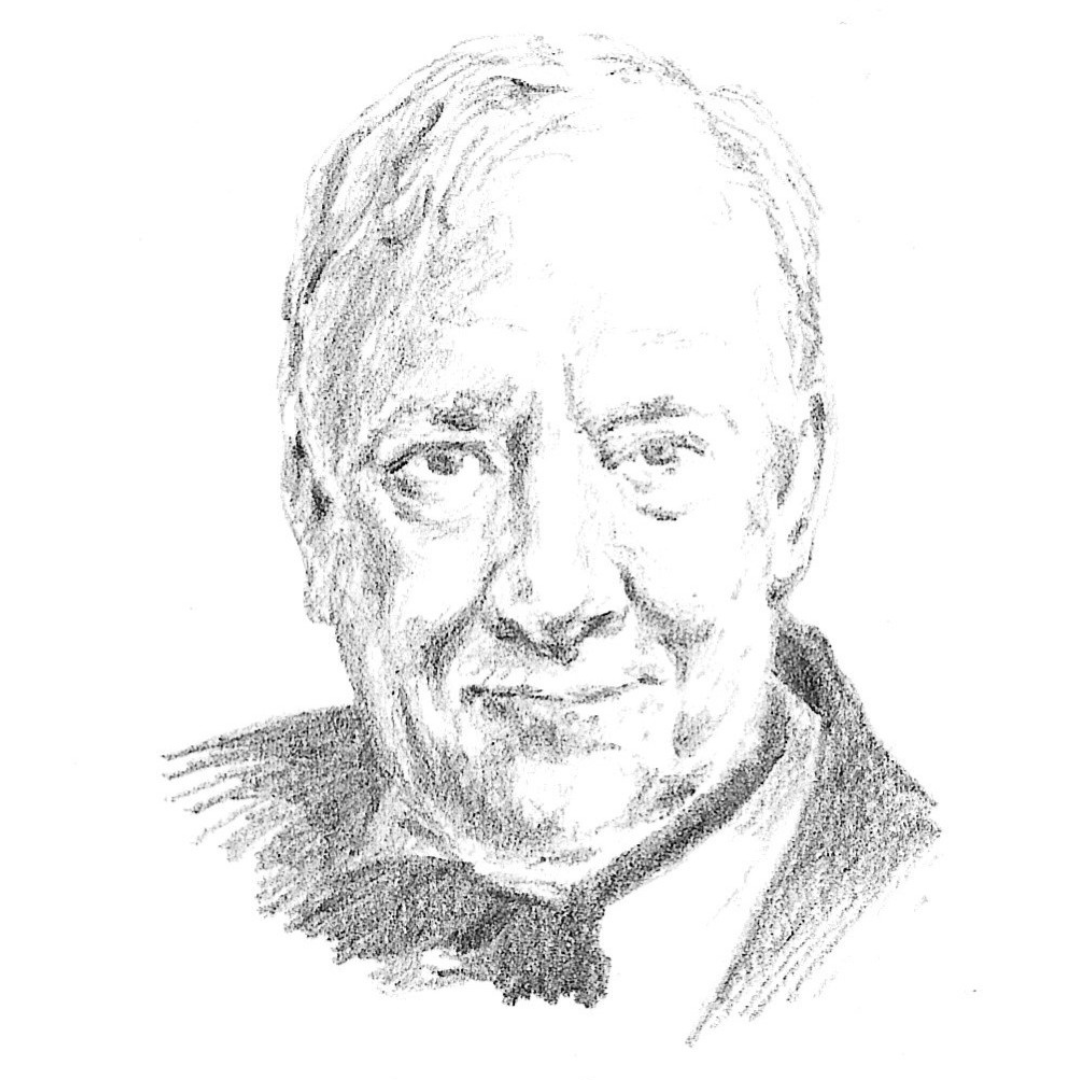
Sir Richard Rodney Bennett
(1936–2012)
Far from the Madding Crowd
Bennett wrote in a wide range of styles, everything from jazz songs to orchestra pieces, ballet and opera. On stage he accompanied such singers as Cleo Laine and Marion Montgomery, while his score for John Schlesinger’s Far from the Madding Crowd in 1967 earned him his first Oscar nomination. Little wonder – that questing flute with the sad contrasting arpeggios beneath it beautifully underpinned Nicolas Roeg’s panoramas of space and melancholy. Both Nicholas and Alexandra (1971) and Murder on the Orient Express in 1974 were also Oscar-nominated, the former yielding a popular song based on the main theme (‘Too Beautiful to Last’ with lyrics by Johnny Mercer), and the latter finally winning him a BAFTA. In later years probably the highest-profile movie he worked on – as it turned out – was Four Weddings and a Funeral. Another of my personal favourites is Lady Caroline Lamb (1972), which is not nearly as dull as people say, and where the passion of the music perfectly reflects that sad and chaotic woman’s life with sympathy and understanding.
Brel’s own version of this song is a more laid-back affair than Scott Walker’s ripsnorting banger from his 1967 debut album Scott. In the hands of Angela Morley, under her former name Wally Stott, the music by frequent Brel collaborator Gérard Jouannest is transformed into a hard-driving monster of an accompaniment, announced by blaring trumpets and galloping along without pause until the final despairing cries of the hapless protagonist (“Mathilde is here once more!”) become drowned in another sustained brassy chord and three final thundering drum beats like nails being driven into a coffin. Reading between the lines, this Mathilde must have been a bit of a handful. But it’s all incredibly noisy and energetic and great fun for the rest of us, if not necessarily for the poor sod singing the song.
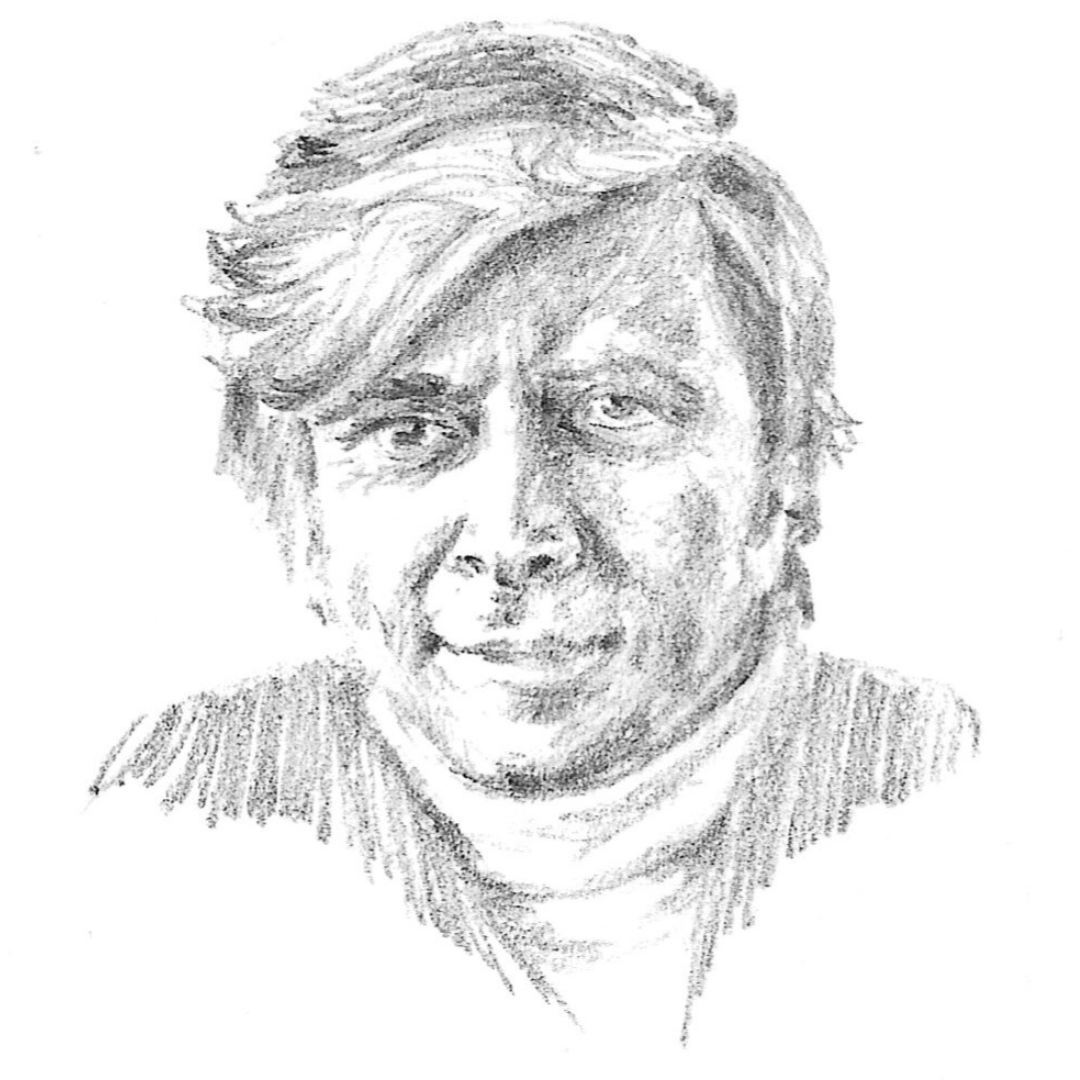
Elmer Bernstein
(1922–2004)
The Magnificent Seven
Composers will often get inspiration from something in the content of the film or TV show. A lot of TV sitcom composers, for instance, simply set the title: Ronnie Hazlehurst’s iconic The Last of the Summer Wine, to take just one example, with its melody as gently meandering as the superannuated old farts themselves wandering through the sunlit dales, or The Fall and Rise of Reginald Perrin by Ronnie Hazlehurst, to take another; it goes down on ‘fall’ and rises on ‘rise’. And Ronnie Hazelhurst’s Some Mothers Do ’Ave ’Em famously spells out the title of the show in Morse code… for some reason. (Indicating distress, perhaps?) Be that as it may, I always thought the magnificent The Magnificent Seven theme was in 7/4 time to reflect the presence of the eponymous heptet, because, I discovered, you can count the beats like that – until I further discovered you could count the beats like that only if you cheat. (Turns out it’s eight beats in the bar, not seven, but I still say you need the eighth to take a breath, so technically I’m right.) Everyone can hum The Great Escape (1963) and True Grit (1969), of course, and To Kill a Mockingbird (1962) sounds exactly like a happy childhood. On the other hand, I still can’t clap along to The Bridge at Remagen (1969) which I always watch when it’s on despite the fact it stars George Segal because it’s full of false starts and unpredictably extended melody lines. It’s almost like the composer doesn’t want you to leave the theatre whistling his theme tune. But it’s a great chunky, brash, dishevelled, muscular score, great war film music, and sounds a bit like a bridge collapsing… which is probably the point. The man could evoke anything. For one continent to produce a musical genius called Bernstein may be regarded as fortunate. For the same continent to produce two who are completely unrelated looks like showing off. To help us out, Leonard pronounced his surname bern-styne while Elmer went by bern-steen. Apart from their talent, they were obviously all heart.
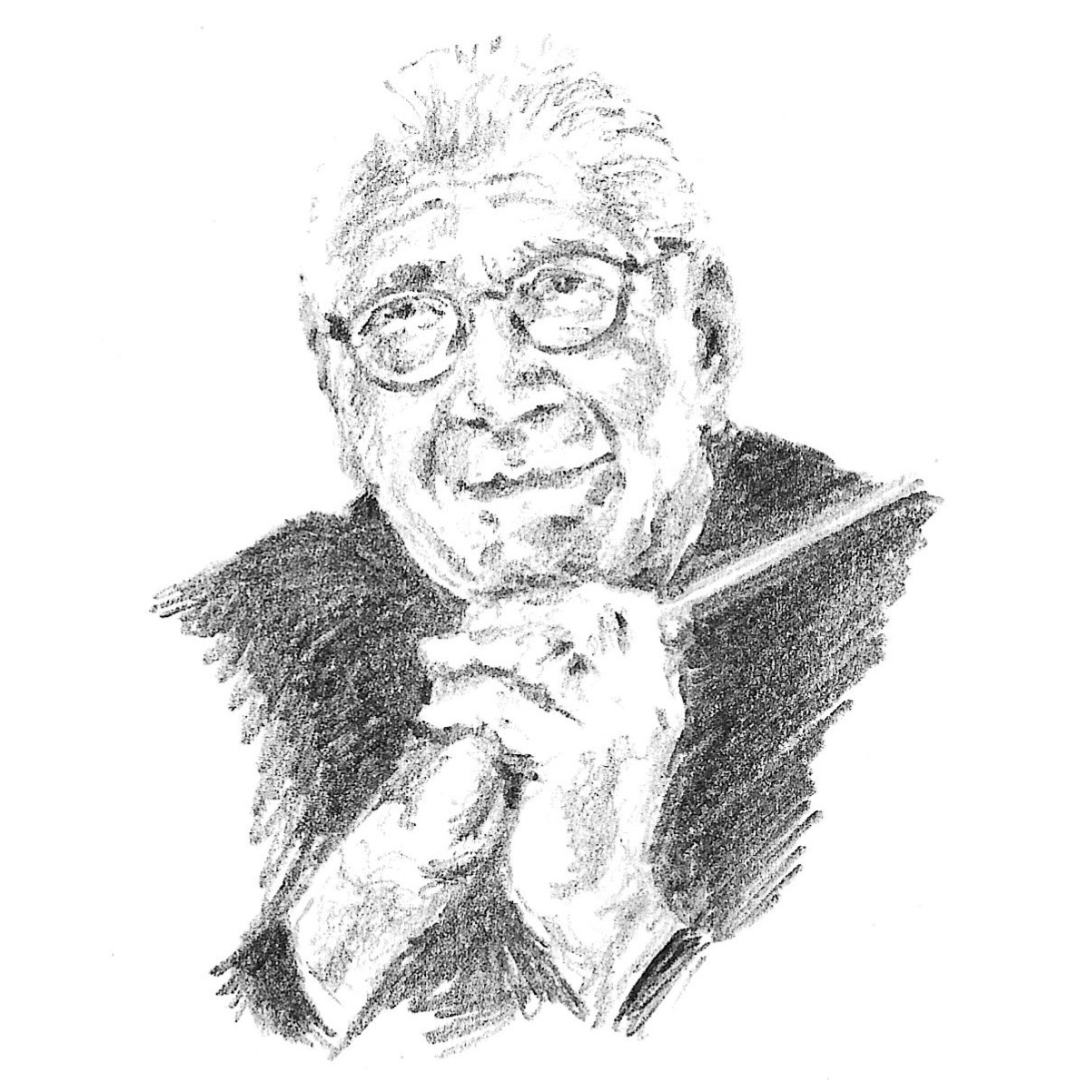
Jerry Goldsmith
(1929‒2004)
Chinatown
Like a lot film composers, Jerry Goldsmith started out in television, and he it was who wrote not only The Man from U.N.C.L.E. and The Waltons but also Dr Kildare (where he was credited onscreen as Jerrald Goldsmith. I always thought if they kept freezing that often on the corridors on the way to surgery, the patient was never going to make it.) He was famous for experimentation and using unconventional instruments, like stainless steel bowls for the percussive soundscape underpinning Planet of the Apes in 1968. In Patton (1970) he used a machine called an echoplex to repeat the fading military trumpet calls to reflect the US general’s famed interest in military history and his belief in reincarnation. Goldsmith’s silky score for Chinatown in 1974, the sonic equivalent of dusty late afternoon in Southern California, written and recorded in just ten days, lost out on the Oscar to Nino Rota’s The Godfather, though it rightly ranks number nine on the AFI’s list of the top twenty-five American film scores. Once he’d written that, he barely needed to write anything else, though he did, going on to score well over a hundred films over the next thirty years, most of which most of us have heard of. Shame about the closing music to Alien (1979) though. Fielding had written his own piece for this but it was replaced in the final edit by an excerpt from Howard Hanson’s Second Symphony which director Ridley Scott and his editor had been using as a placeholder. Fielding was aggrieved at having his work so unceremoniously dumped while Hanson, who hadn’t been consulted, didn’t like the idea of his music being attached to a horror film. A shame, since his Second Symphony is probably his best, and as blameless in this unfortunate incident as it rapturously romantic.
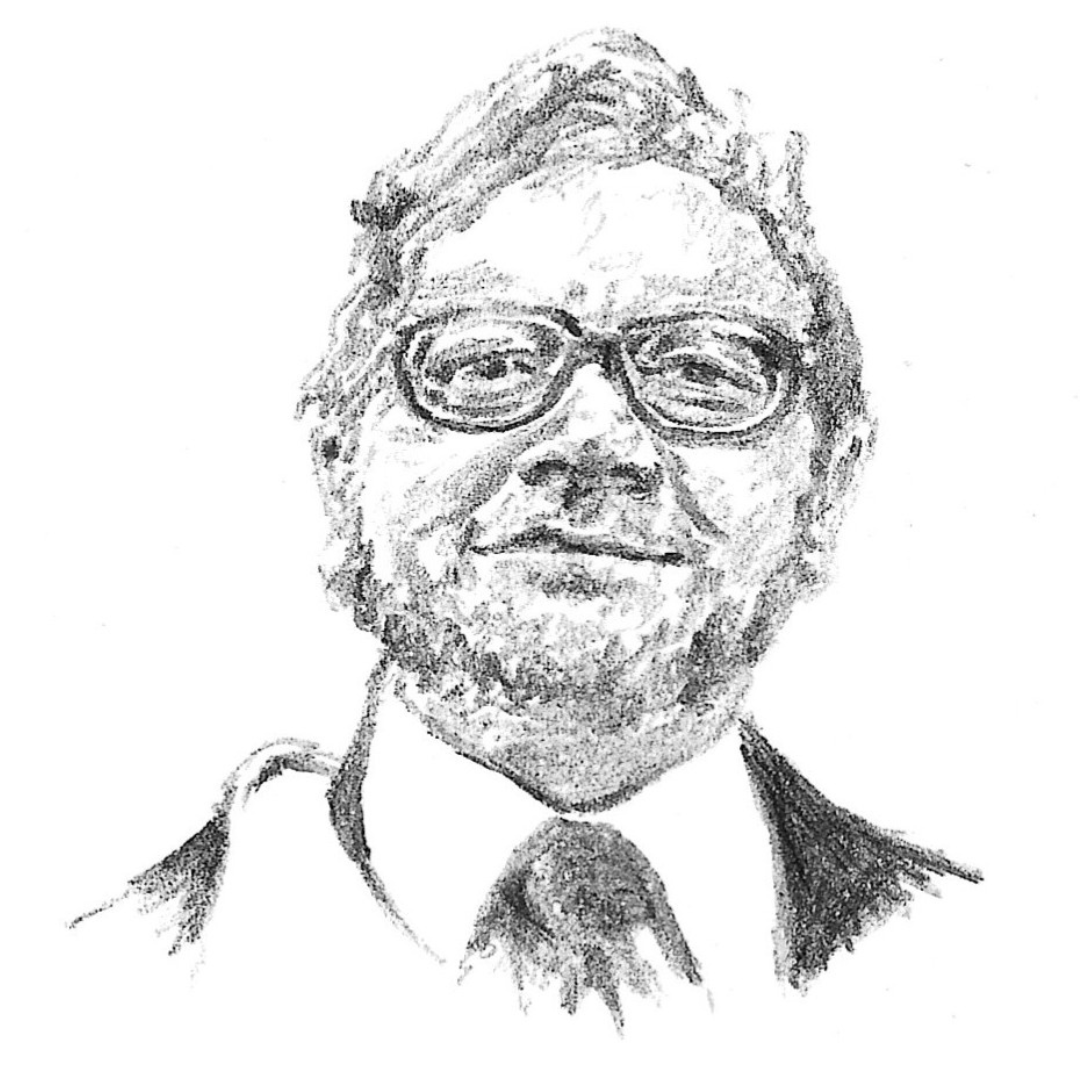
Ron Goodwin
(1925‒2003)
633 Squadron
In my as-yet-unpublished Bildungsroman Up For It, the protagonist’s musical friend Toby gives him a brisk little lecture on why Ron Goodwin’s theme for the 1964 film 633 Squadron is better than Eric Coates’s famous anthem for 1955’s The Dam Busters.
‘Eric Coates,’ Tobe nodded. ‘Doing his Elgar impersonation. It fits but it plods.’
‘Plods?’
‘It’s in march time but the story is about the RAF, and those guys didn’t march anywhere, they flew. It’s what I call keep-buggering-on music, like in a lot of these fifties war movies. It’s understandable I suppose, but still a bit of a missed opportunity in my view. I mean, fast-forward ten years and you get Ron Goodwin doing this.’ He sat down at the little organ and played some familiar bars. ‘633 Squadron. It’s thrilling and heroic, but it’s clever as well. The beat is all sixes and threes, see?’ He demonstrated again, counting out the staccato rhythms. ‘One-two-three, one-two-three, four five six… And then there’s all these chromatic flute lines, like planes or parachutes spiralling out of the sky…’ He sketched in another familiar snatch of melody.
‘That’s fascinating,’ Roger murmured. ‘I never realised.’
I couldn’t have put it better myself. And Where Eagles Dare (1968) is every bit as thrilling with just as much momentum. You may also recognise the confident swinging beat of The Trap (1966), which for many years was the introductory music to the BBC’s coverage of the London Marathon. And let’s not forget his Miss Marple theme, as she was essayed by Margaret Rutherford in 1961’s Murder She Said, which is a perfect portrait of that sly sleuth’s lively and quicksilver mind. To bring it full circle, the story goes that Sir Laurence Olivier, as he then was, threatened to remove his name from The Battle of Britain (1969) when he heard the makers had decided to replace his friend William Walton’s score with one composed by Ron Goodwin. Walton’s music for Elizabeth II’s coronation was stirring and apt, and a fragment of his score is still present behind the long aerial battle sequence towards the end of the film, but Walton came from a different world. Goodwin was in his element, and his suave, magisterial Luftwaffe March, reflecting the swagger of the German pilots, was so good that British brass bands immediately took it up as a firm concert favourite… only they had to change its name to Aces High to rinse the Nazi stain off of it.
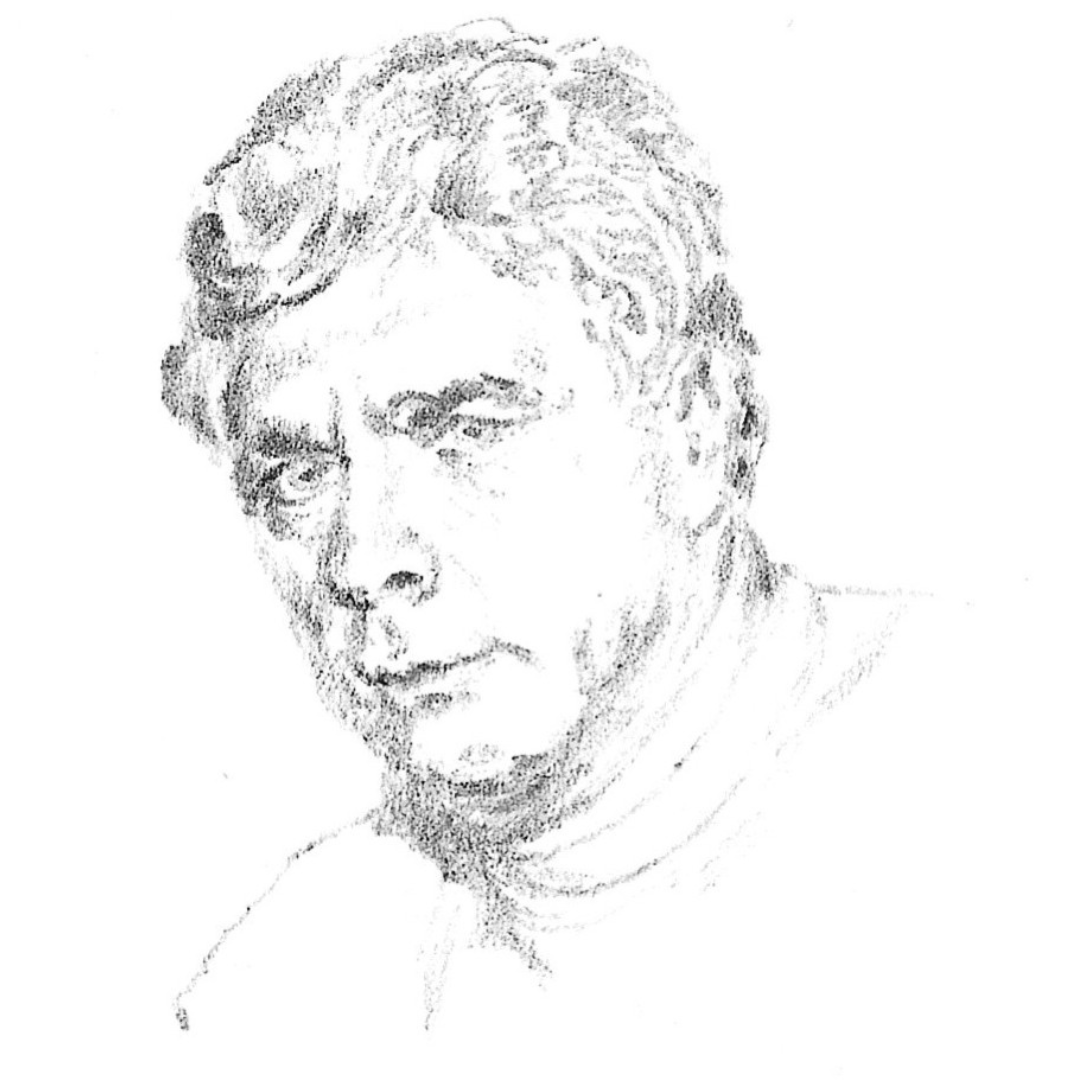
Maurice Jarre
(1924‒2009)
Ryan’s Daughter
It was Lawrence of Arabia that put him on the map in 1962 and won him his first Oscar, and Doctor Zhivago three years later that won him his second, but my favourite is his score for Ryan’s Daughter in 1970. Like so many good ensemble films, the score includes separate motifs for each of the principal characters, starting with the rich, sweeping textures of the main theme itself that evoke both the turbulent emotions of Sarah Miles’s passionate Rosy and the expansive seascapes she likes to look out over (Noordhoek Beach in Cape Town, South Africa standing in for the west coast of Ireland when the conditions required didn’t come up to director David Lean’s exacting standards). While it might be a little cheeky to suggest that perhaps Jarre repurposed the DNA of village idiot Michael’s theme for the main title of A Passage to India fourteen years later (the latter could be Michael’s love theme), that doesn’t detract from the aptness of either. Other films he scored included El Condor, that naughty sweaty Western from 1970 with splendid turns from Marianna Hill and Imogen Hassall, and The Year of Living Dangerously in 1982 for David Weir. Jarre also supplied the score for Weir’s Dead Poets Society in 1989, but even he couldn’t save that particular clump of mush.
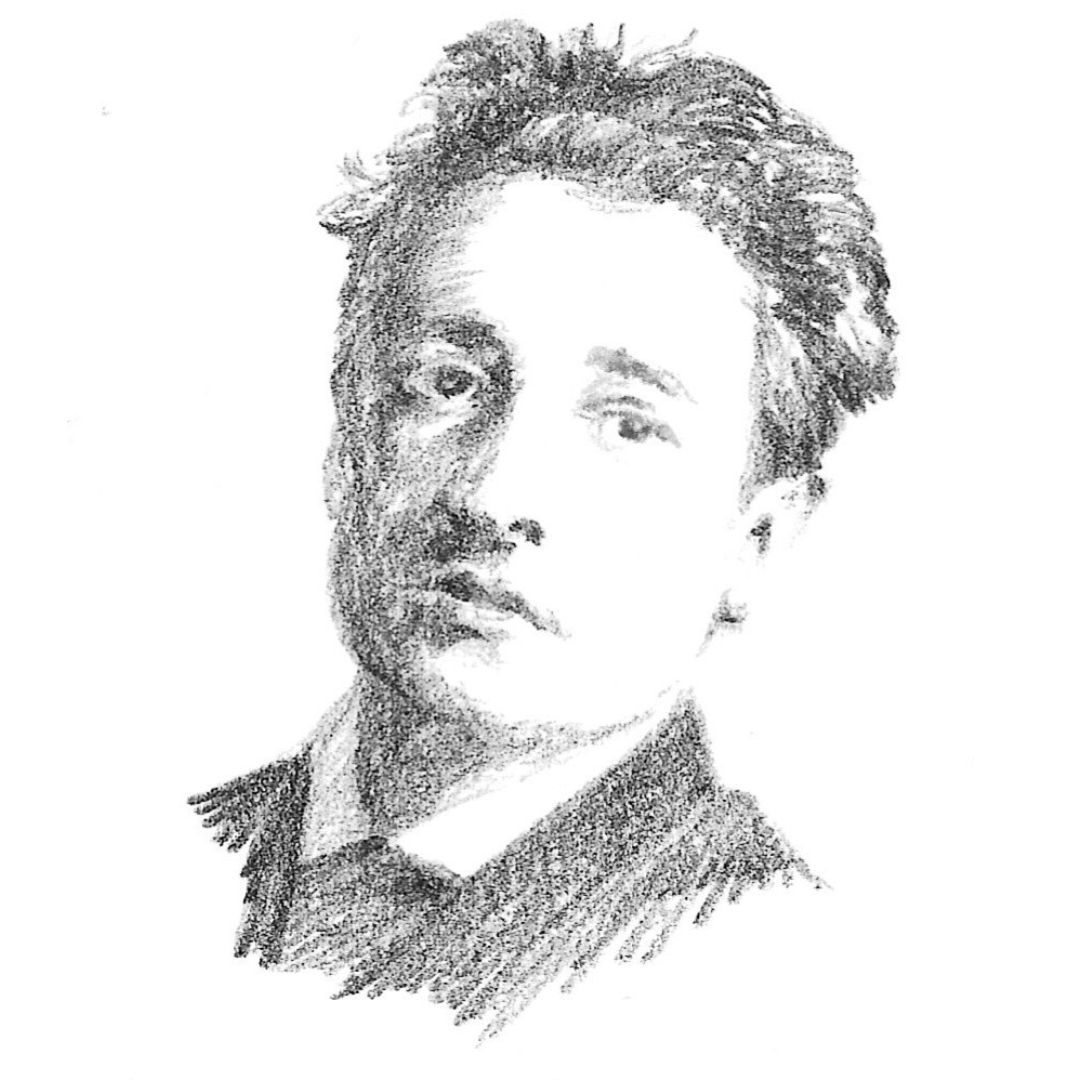
Erich Wolfgang Korngold
(1897–1957)
The Adventures of Robin Hood
Korngold was a child prodigy from Austria who wrote his first ballet at the age of eleven and was a professor of music at the Vienna State Academy by his thirties. Mahler called him a musical genius, but it was Austrian-born theatre impresario Max Reinhardt who first tempted him to Hollywood and once there, he became the first classical master to write regularly for the screen. The keynote of his film music is the sheer liveliness of its invention, its speed and melodic breadth being at once both exhausting and seemingly inexhaustible. He scored half a dozen films featuring Errol Flynn, beginning with Captain Blood in 1935, where the music is as athletic and muscular as the star himself, recalling the scale of Wagner and the orchestral richness of Richard Strauss. He won two Oscars but his lasting legacy is the standard he set for all symphonic film writing throughout Hollywood’s Golden Age, and his influence is still heard today – John Williams’s score for Star Wars would not be what it is without Korngold’s aspirational and inspiring presence.
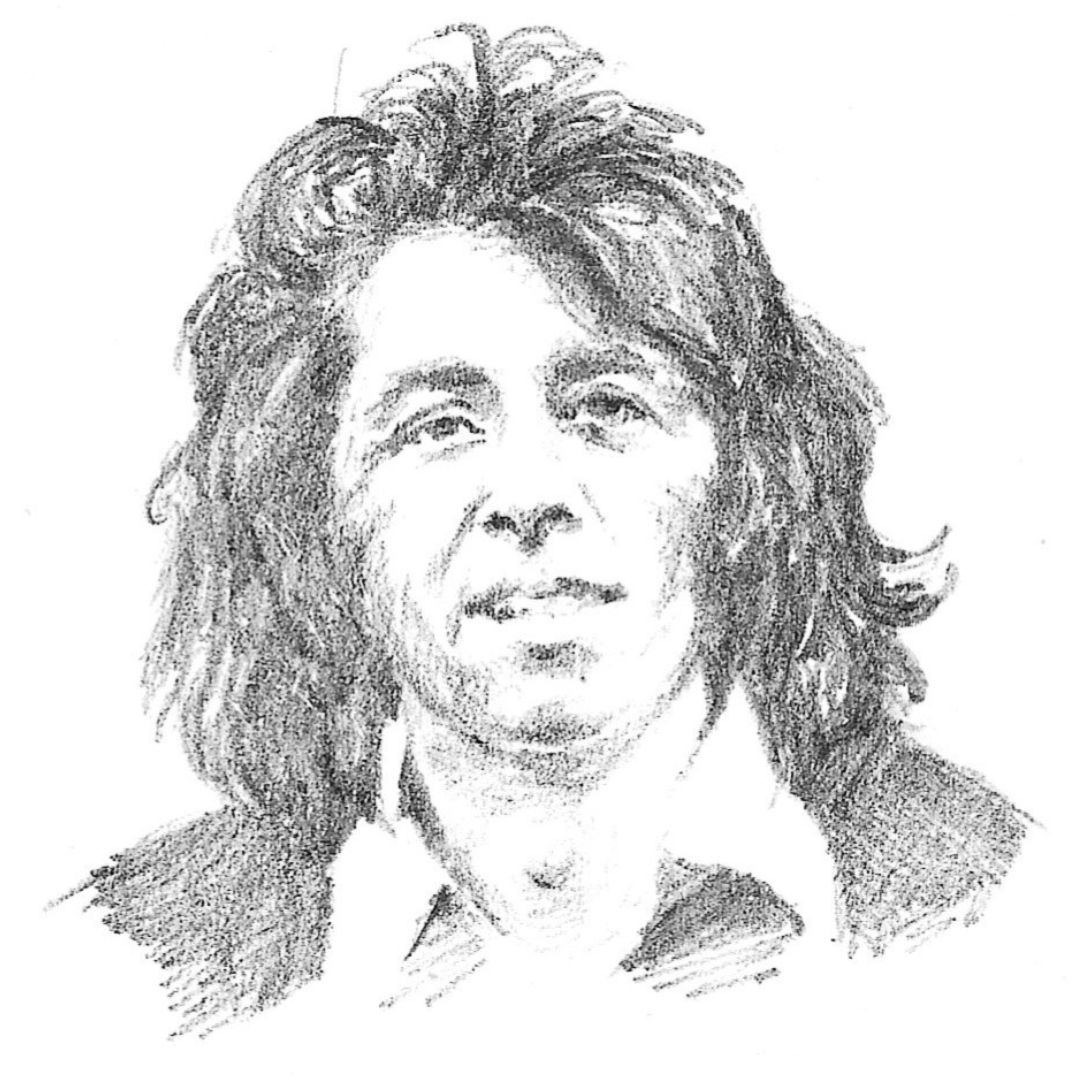
Francis Lai
(1932–2018)
A Man and a Woman
He’s probably best known for his theme to the 1970 sob-fest Love Story, but even before that he would have been familiar to viewers of the British TV series Panorama which started using as its theme tune a piece called Aujourd’Hui C’est Toi from Claude Lelouch’s romantic 1966 classic Un Homme et une Femme. In the film, the music is used as a backdrop for a sequence involving racing cars roaring round a test track – it’s exciting, tense and gripping. But swap those visuals for the TV programme’s montage of world events and it’s fascinating to note how appropriate they are to that as well. Music is indeed the most elusive and allusive of all the arts. When I was in junior school our music teacher once played a series of classical pieces, asking us to describe what images or feelings they conjured up. We always said it was the sea, because it always was. And in just the same way Aujourd’hui C’est Toi could just as easily illustrate a pirate ship skimming over the waves on its way into battle. It’s all a matter of context. French popular music, it seems to me, can often sound insipid and monotonous, with limp chromatic melodies and predictable harmonies, but while Lai himself could be predictable, there is such a thing as a personal style, and producing work to fit the brief. And this he notably did in umpteen films for Lelouch and others: Vivre Pour Vivre (1967), La Bonne Année (1973) and Bilitis (1977) are just a few of the ones I can still hum off the top of my head.

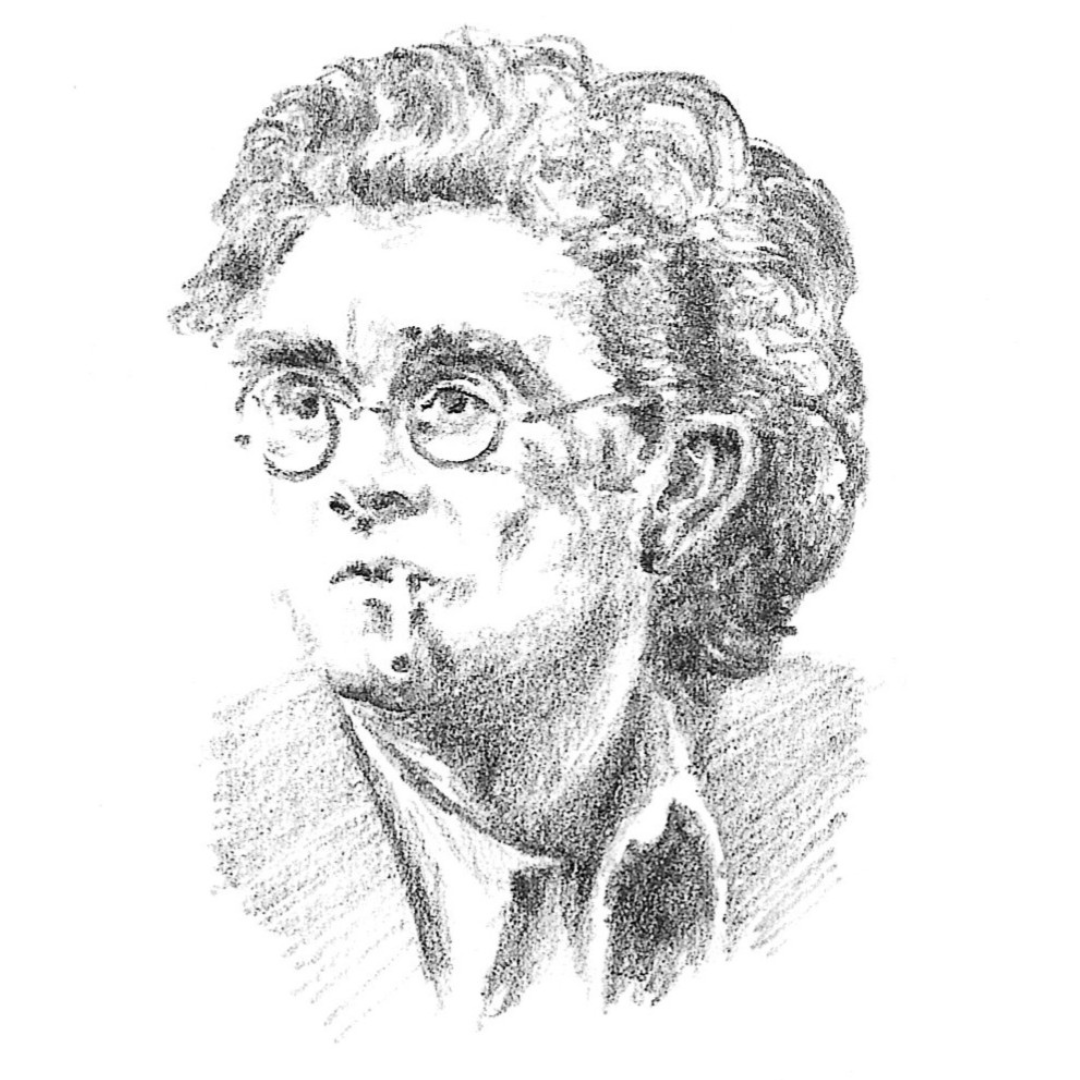
Michel Legrand
(1932‒2019)
Summer of ’42
Michel Legrand was the other big French film composer in the days when I was still going to the cinema regularly, and he is as much famed for his songs as for his orchestral scores. ‘What are You Doing the Rest of Your Life?’ from The Happy Ending (1969) is among the best known of the former, while the theme to Summer of ’42 (1971) reached an even bigger audience when Alan and Marilyn Bergman (who else?) added some lyrics, turning it into the hit ‘The Summer Knows’, a service they had already performed for ‘The Windmills of Your Mind’ from The Thomas Crown Affair in 1968. Other big films he scored include The Umbrellas of Cherbourg (1964), Ice Station Zebra (1968), The Go-Between (1971) and Le Mans (1971), all of which are worth a look and a listen.
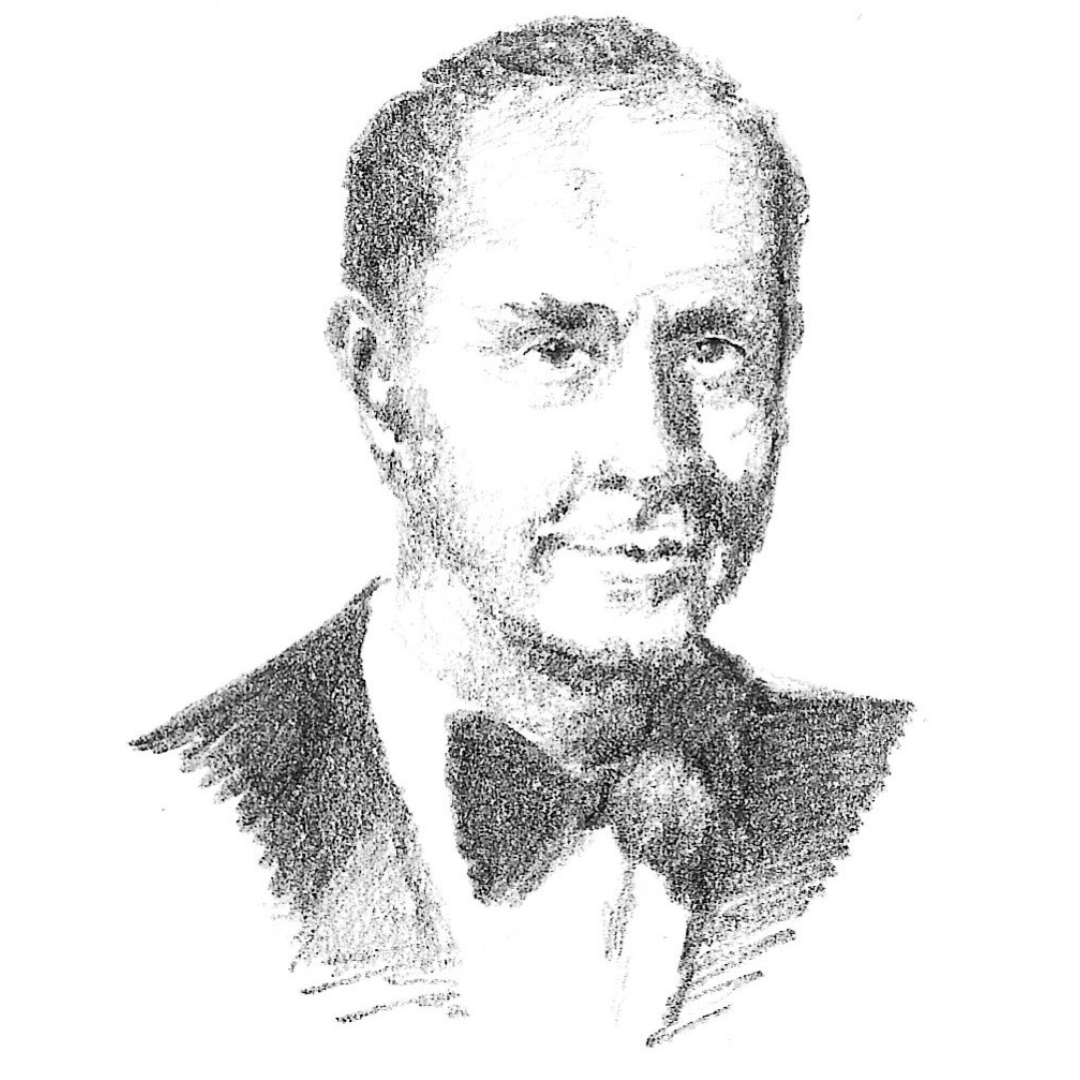
Henry Mancini
(1932–2019)
The Pink Panther Theme
Mancini is another giant of post-war film music as famous for his songs as for his scores. Audrey Hepburn’s breathy delivery of ‘Moon River’ from Breakfast at Tiffany’s (1961) is probably the best known of the lot, together with Days of Wine and Roses (1962) and Charade (1963), though of course mention must also be made of the composer’s lyricist in such works, who in the case of these songs no less than so many others was the ever-reliable Johnny Mercer. I also have a personal soft spot for Arabesque (1966), which at one point shows ‘academic’ Gregory Peck striding through Canterbury Quad at St John’s College, Oxford, less than ten years before I would find myself doing the same myself – only with rather less Hollywood glamour and no prospect at all of having a ‘humorous’ encounter in a shower stall with the statuesque Sophia Loren later in the movie. (He kicked her soap away; a gentleman would have stooped down and picked it up, eventually.) The ‘Pink Panther Theme’ has become ubiquitous, not least from the children’s cartoon that seemed to be playing continuously every Saturday morning of my childhood – how many times has one heard it, both with and without the lyrics? – yet I still haven’t got tired of it. I even saw Mr Mancini himself playing it on the flute once on TV. Musicians. Is there anything they can’t do?
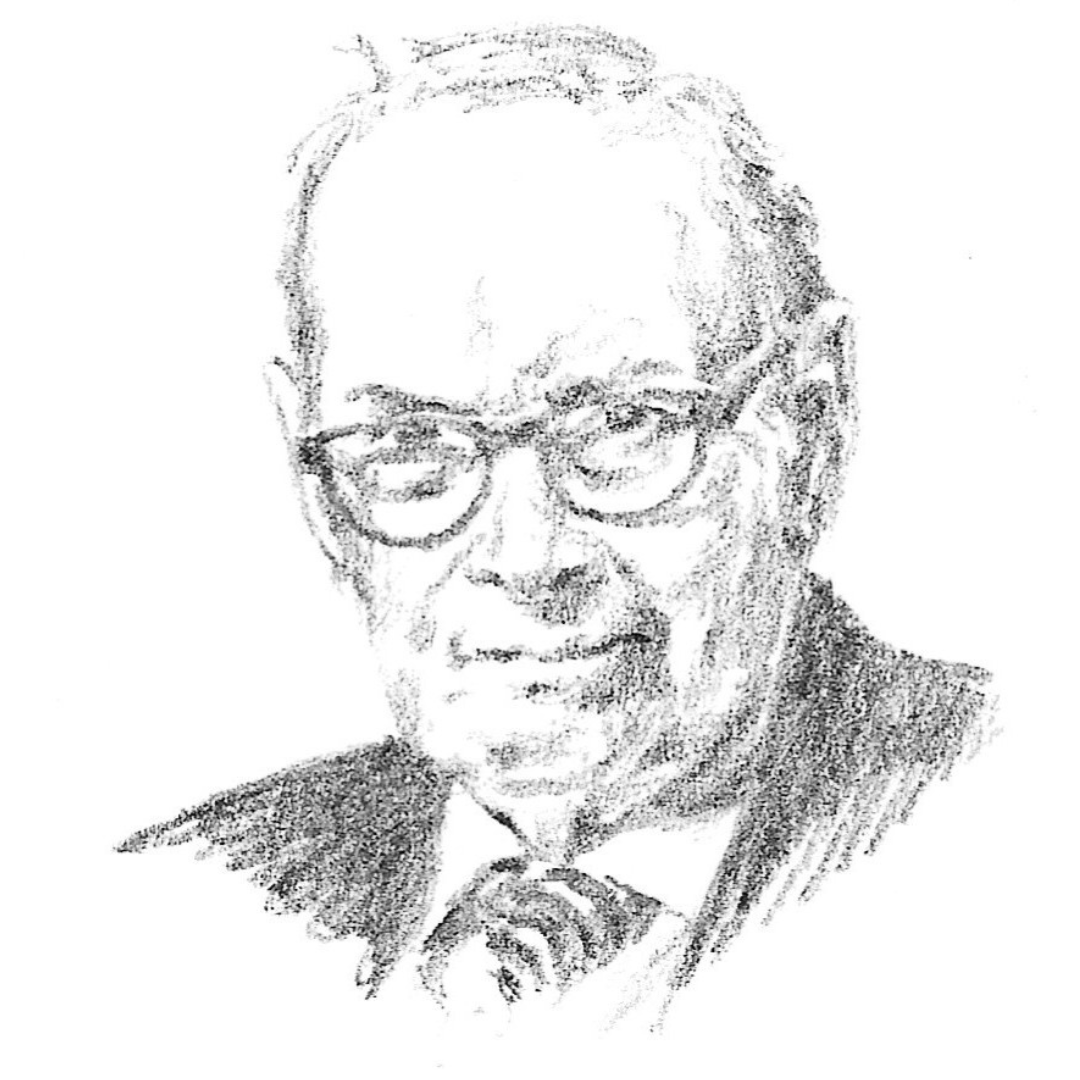
Ennio Morricone
(1928‒2020)
Once Upon a Time in the West
The so-called Spaghetti Westerns of the 1960s, made mostly by Italians (and some Germans) and filmed in southern Spain, completely overhauled the tired old tropes of the traditional product. But while director Sergio Leone was largely responsible for the look and feel of the thing, it was composer Ennio Morricone who can take credit for the new sound. The first two Dollar films, along with The Good, the Bad and the Ugly in 1966, introduced new-fangled electric guitars, reverb, whip cracks, coyote calls, bells, whistles and heel stamps which somehow perfectly suited director Sergio Leone’s operatic visual style. Who would have thought? Only someone with a first-class musical brain and a soaring imagination, that’s who. With Once Upon a Time in the West (1968) Morricone even provided the full score before the film was shot so the action could be choreographed to the music, introducing a whole new raft of visual possibilities. Each of the four main characters has their own motif, and Charles ‘Harmonica’ Bronson’s signature instrument is even woven into the fabric of the story itself to cumulative dramatic effect. The main theme – ‘Jill’s Theme’ is achingly beautiful, but by no means unique in Morricone’s oeuvre. Try Once Upon a Time in America (1984), or Cinema Paradiso (1988), whose love theme was written by the composer’s own son, Andrea. In this case, the apple didn’t fall far from the tree. Credit must also be given to Morricone’s frequent collaborators, the guitarist and whistler Alessandro Alessandroni, and the singer Edda dell’Orso, whose powerful, wordless vocals feature prominently on the OUATITW soundtrack, as well as many others.
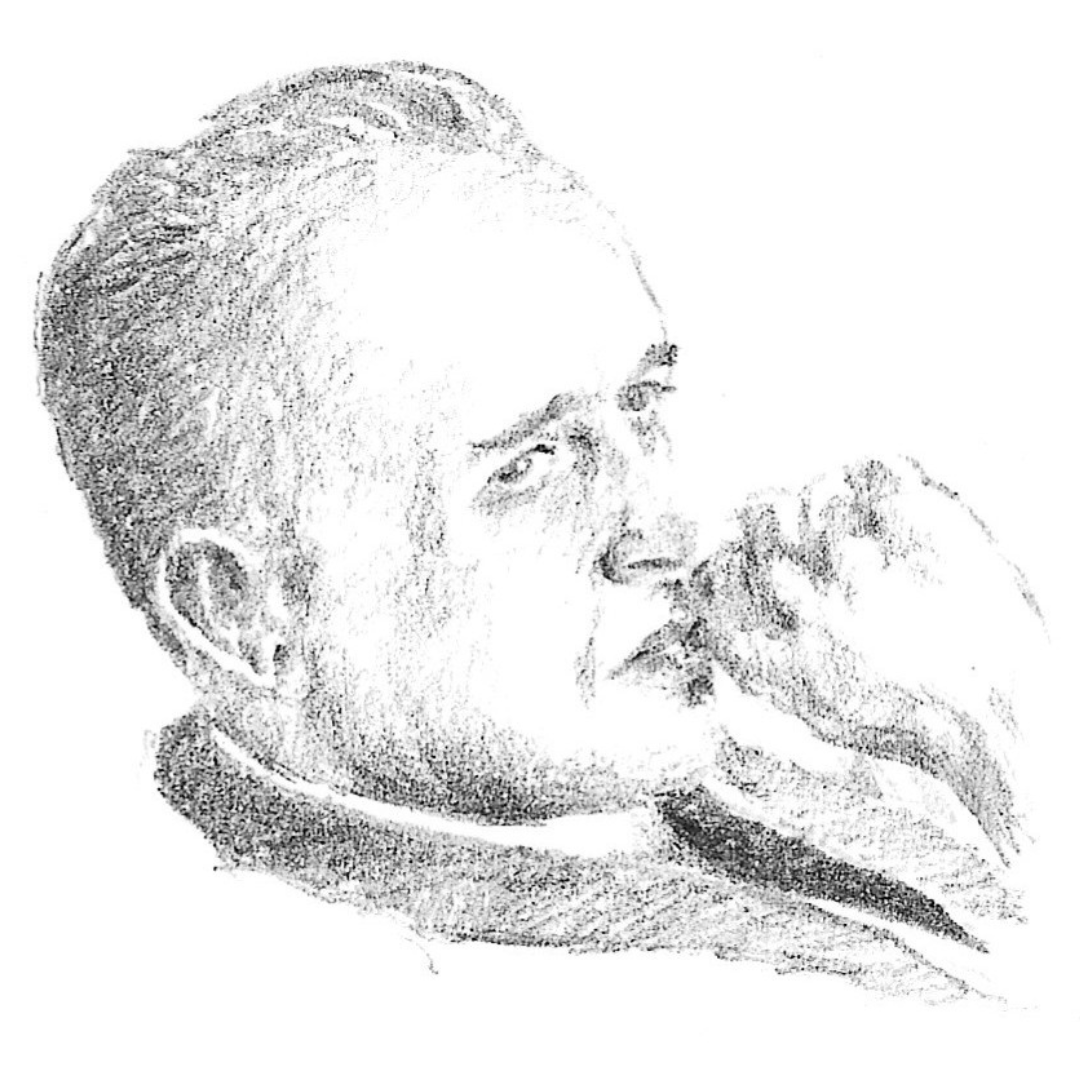
Nino Rota
(1911–1979)
Amarcord
I first became aware of Rota’s name through his 1978 score for Death on the Nile, and soon after, while seeking out his other work, I realised I’d known one of his earlier scores practically all my life – the Rachmaninov-like main theme from forties British tear-jerker The Glass Mountain, dubbed “the Warsaw Concerto of the moment” by the film’s star Michael Denison. Fun fact: it was The Godfather Part II (1974) which finally won Rota the Oscar, for a score as heavy and brown and sombre as the film’s colour palette. He had originally won it for the first film in the series in 1972 but was famously stripped of that honour for having incorporated into his score material from an earlier film. Even funnier fact: the score for which he eventually won contained exactly the same love theme which had caused his disqualification in the first place. Oh Hollywood, thick as shit. Never mind, it’s the music that counts, and Nino Rota wrote more meltingly memorable good stuff than most. Think, for instance, of the heartbreakingly beautiful love theme from Franco Zeffirelli’s 1968 Romeo and Juliet. In addition, he scored over a dozen films for Italian maestro Federico Fellini, including Amarcord (1973), whose main theme is so sinewy and louche and frankly Mediterranean that when I came to cut together the film of our last holiday in Rome, it was a no-brainer to splice this to the images to reflect the warmth and leisure and beauty of the days we spent there.
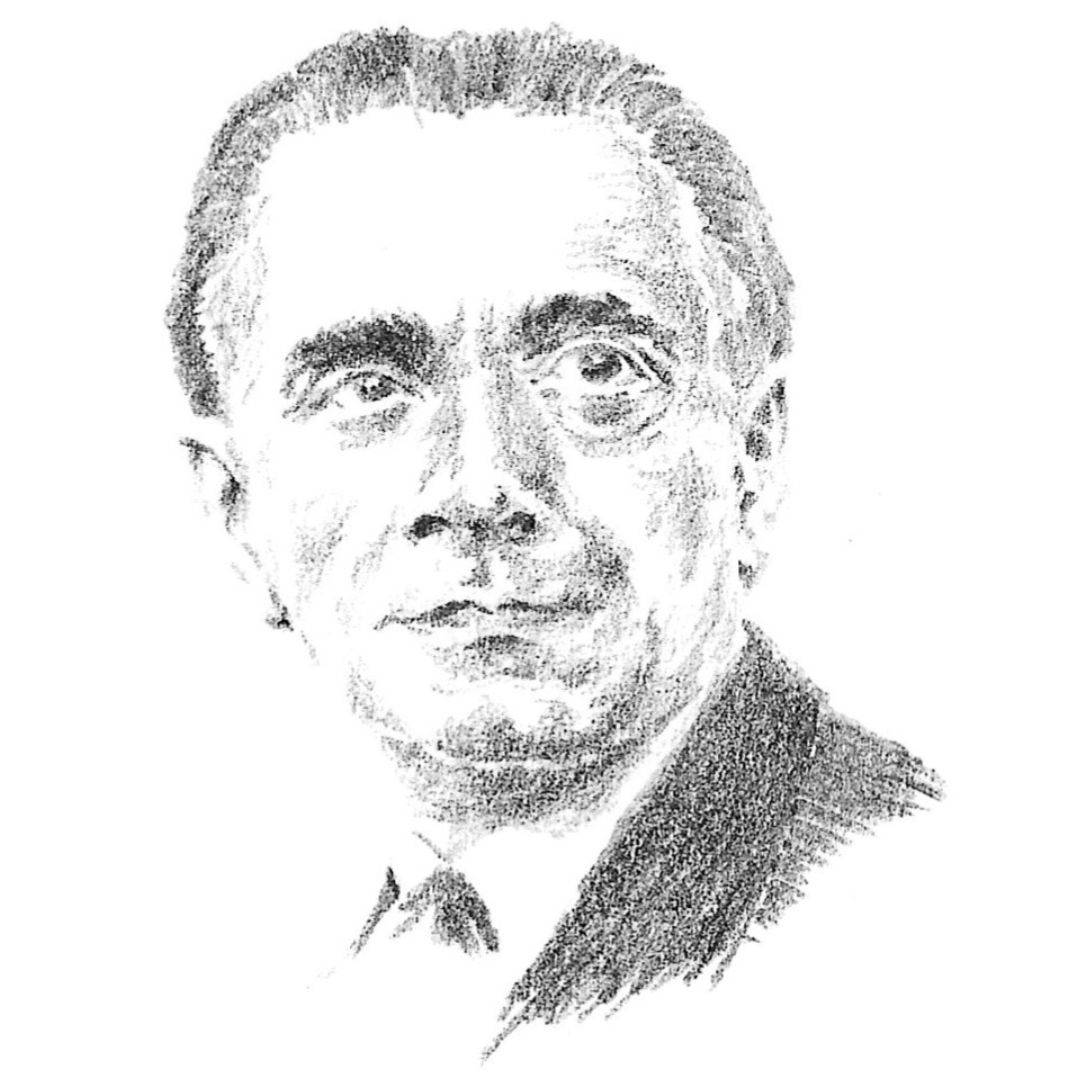
Miklos Rozsa
(1907–1995)
Ben-Hur
For our university revue Allswellthatendsrock! in 1975, Richard Curtis had written a spoof bible reading, and the sound technician had chosen something equally bombastic to underline it – it was Rozsa’s King of Kings, whose timing fitted the rhythm of the piece with uncanny accuracy. I recognised it instantly, because one of my Christmas presents a year or two before had been an MFP (Music For Pleasure) album entitled Great Movie Themes Composed by Miklos Rozsa. You couldn’t miss it because the title practically filled four-fifths of the LP cover, in a typeface I immediately dubbed ‘Tremendous Writing’, because it looked like the letters had been hewn into the living mountainside beneath the Jewish citadel of Masada. Rozsa himself, another of those accomplished Hungarian refugees from pre-war Europe, knew how to write big, on the scale of the epics he scored – these included Quo Vadis (1952), El Cid (1962) and Sodom and Gomorrah (1963), while out of seventeen Oscar nominations for Best Score he won three: for Spellbound (1945), A Double Life (1947) and Ben-Hur (1959). Also, you know that minatory four-note DUUUH duh-duh DUH motif that has become a cliché for imminent danger and violence? They used it endlessly in the TV series Dragnet. Rozsa wrote that as the hitmen’s motif in the 1946 film noir The Killers. Once it’s out there, some music, like some buildings, can remain iconic for decades.
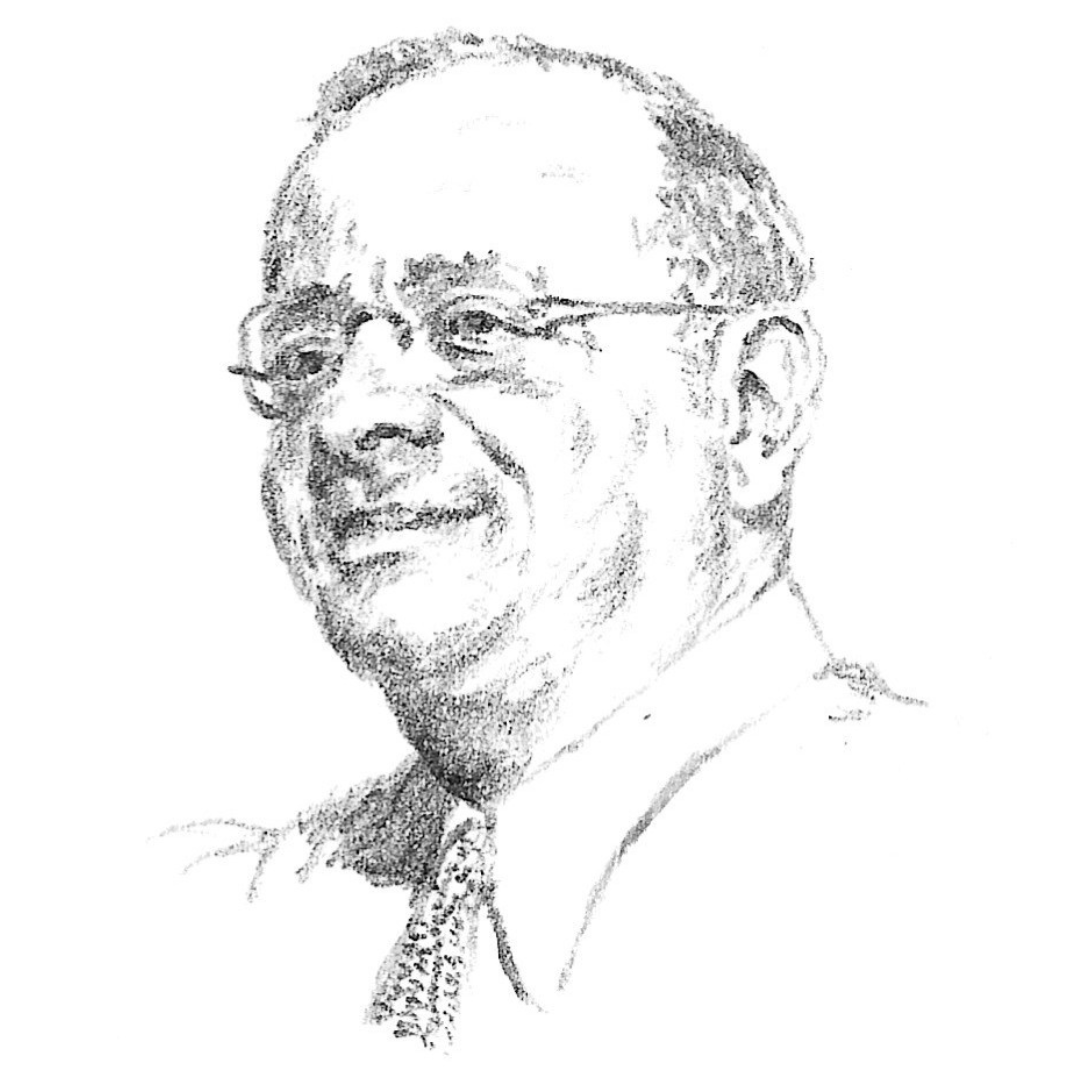
Max Steiner
(1888–1971)
A Summer Place
Max Steiner was another of these Austrian-born prodigies who found refuge in Hollywood from Europe, but in his case he was escaping potential internment in Britain during the First World War. He was the pioneer who paved the way for all the other European titans of Hollywood’s Golden Age who followed him, a distinction which would earn him the unofficial sobriquet ‘father of film music’. He himself credited Richard Wagner with his favoured technique of giving each character a leitmotif, though in some quarters he attracted criticism for his perceived habit of ‘Mickey Mousing’, that is, making the music follow too closely the actions and attitudes of the characters rather than perhaps subtly interpreting or commenting on them instead. Still, most agreed Steiner’s influence was unique. In all he wrote over three hundred scores, and won three Oscars, though Gone With the Wind (1939) was not among them, as The Wizard of Oz pipped it at the post. Other highlights include the early King Kong in 1933 and The Searchers in 1956, by way of Casablanca and Now, Voyager (both 1942) and The Big Sleep (1946). And he was still delivering the goods late into his career with the easy-listening classic A Summer Place in 1959. Four years after his death, he received a plaque on the Hollywood Walk of Fame, and a quarter-century after that, he was one of six Hollywood Composers whose likeness appeared on a set of stamps issued by the US Postal Service.
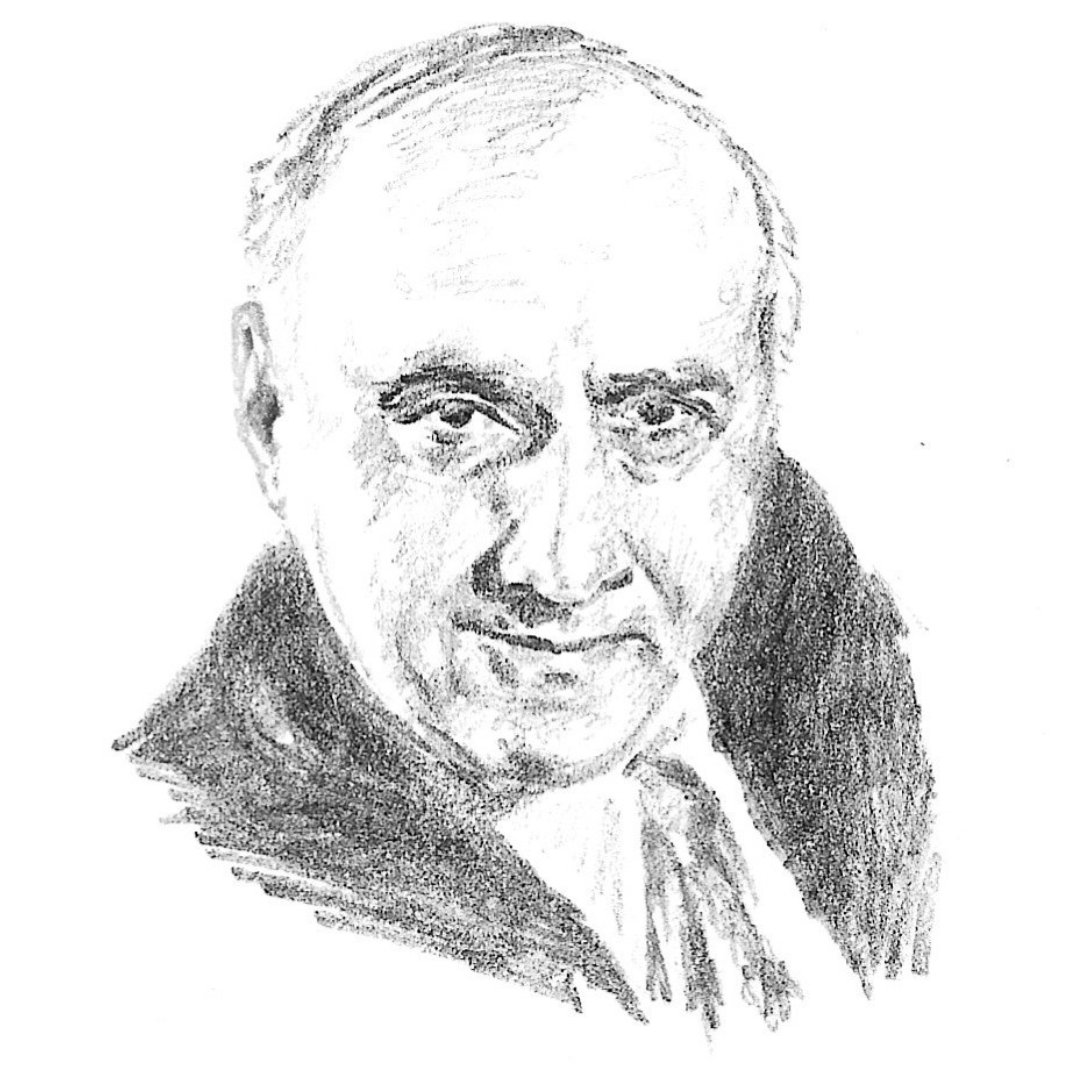
Dimitri Tiomkin
(1894–1979)
Guns of Navarone
His big hit was, of course, ‘The Ballad of High Noon’, aka ‘Do Not Forsake Me, Oh My Darlin’,’ with lyrics by Ned Washington. Some say it saved the picture since previews had been dire and it wasn’t until the single, as sung by Frankie Laine, proved a hit that the studio decided to release the film with Tex Ritter handling the vocals. Like Born Free the following decade, it would earn the composer two Oscars, for Best Score and Best Song. Tiomkin’s broad style lent itself well to Westerns and he wrote his fair share of them, from Duel in the Sun in 1946 to The War Wagon in 1967 (“Look at those horses, what are they draggin’, / Heavily guarded, what is that wagon?” – Ned Washington again, but one can’t help thinking he’d lost a yard or two since his High Noon heyday). For TV, Tiomkin even wrote the familiar theme for Rawhide (starring Clint Eastwood as Rowdy Yates before he went to Italy for a few dollars more and became anonymous), but my favourite Tiomkin has to be The Guns of Navarone (1961), probably because I didn’t get round to seeing the film for ages after having enjoyed the book so much. My parents knew I was getting all excited over nothing… It’s a bit floppy and bloated, and the bloke who went on to star in The Time Tunnel is a bit wooden, but on the other hand it’s set in Greece, and there’s something about the idea of horrible Nazis stamping all over those ancient and sacred isles that makes me come over all protective. (For the purposes of this discussion, 1979’s Escape to Athena shall remain nameless.)
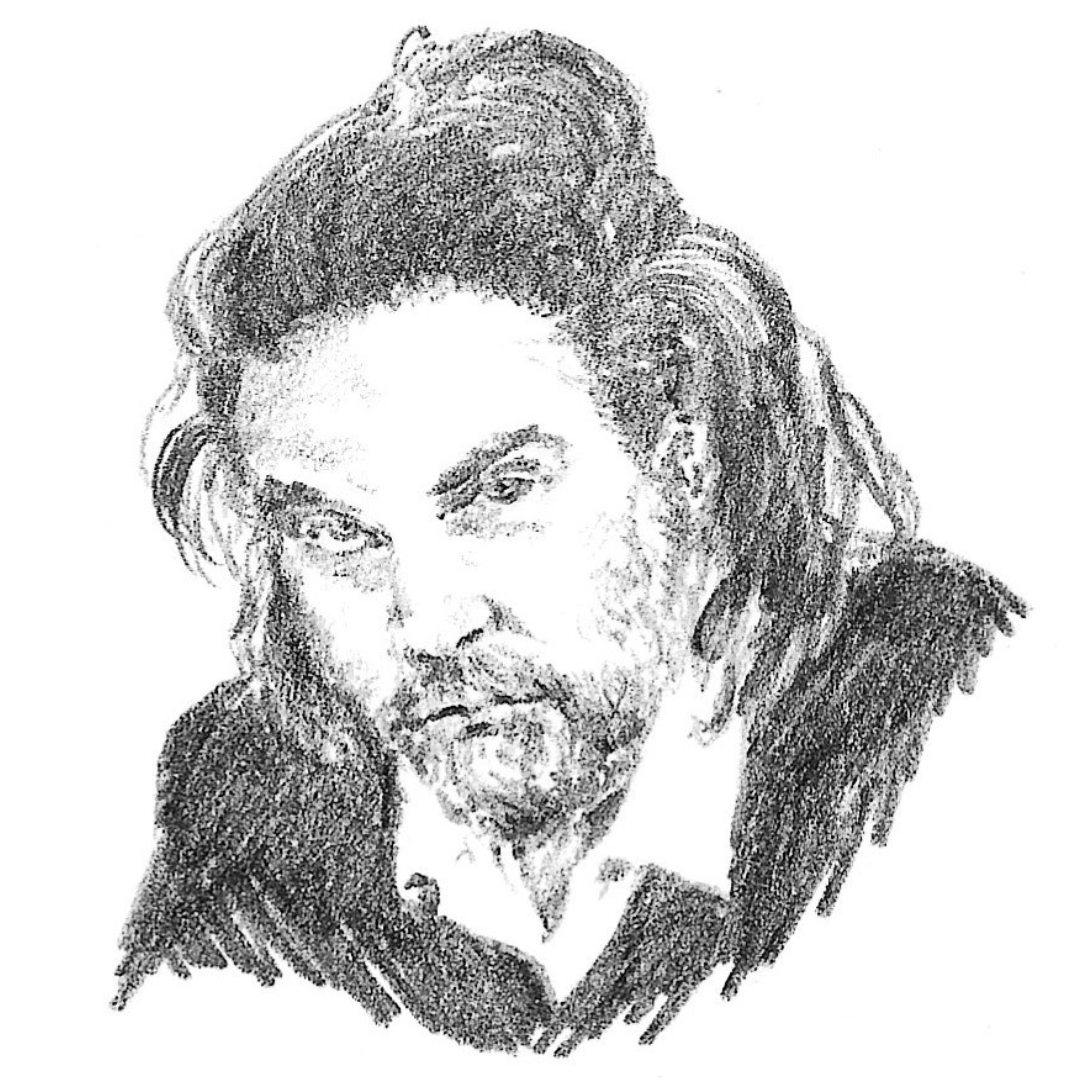
Vangelis
(1943–2022)
Missing
Aphrodite’s Child keyboardist Ευάγγελος Οδυσσέας Παπαθανασίου did his legions of fans a favour by adopting the much more pronounceable stage name Vangelis, and as such became the leading light of progressive, electronic and orchestral film music from the 1970s on, until that mantle was smoothly taken up by Hans Zimmer in the next generation. Chariots of Fire in 1981 won him the Oscar, of course, though I’ve always thought that if they really had gone at that sedate pace, neither Abrahams nor Liddell would have got a sniff of gold at the real 1924 Olympics. Much more to my taste are the darker, more brooding rhythms of, say, The Bounty (1984), 1492: Conquest of Paradise (1992), and Alexander (2004), part of which, Across the Mountains, I borrowed to score the Pompeii section of our family holiday video in 2018. I’ve only seen Costa-Gavras’s Missing once – stories about the impotence of ordinary people in the face of political arrogance or government bullying are ultimately depressing – but Vangelis’s consoling main theme stayed with me.
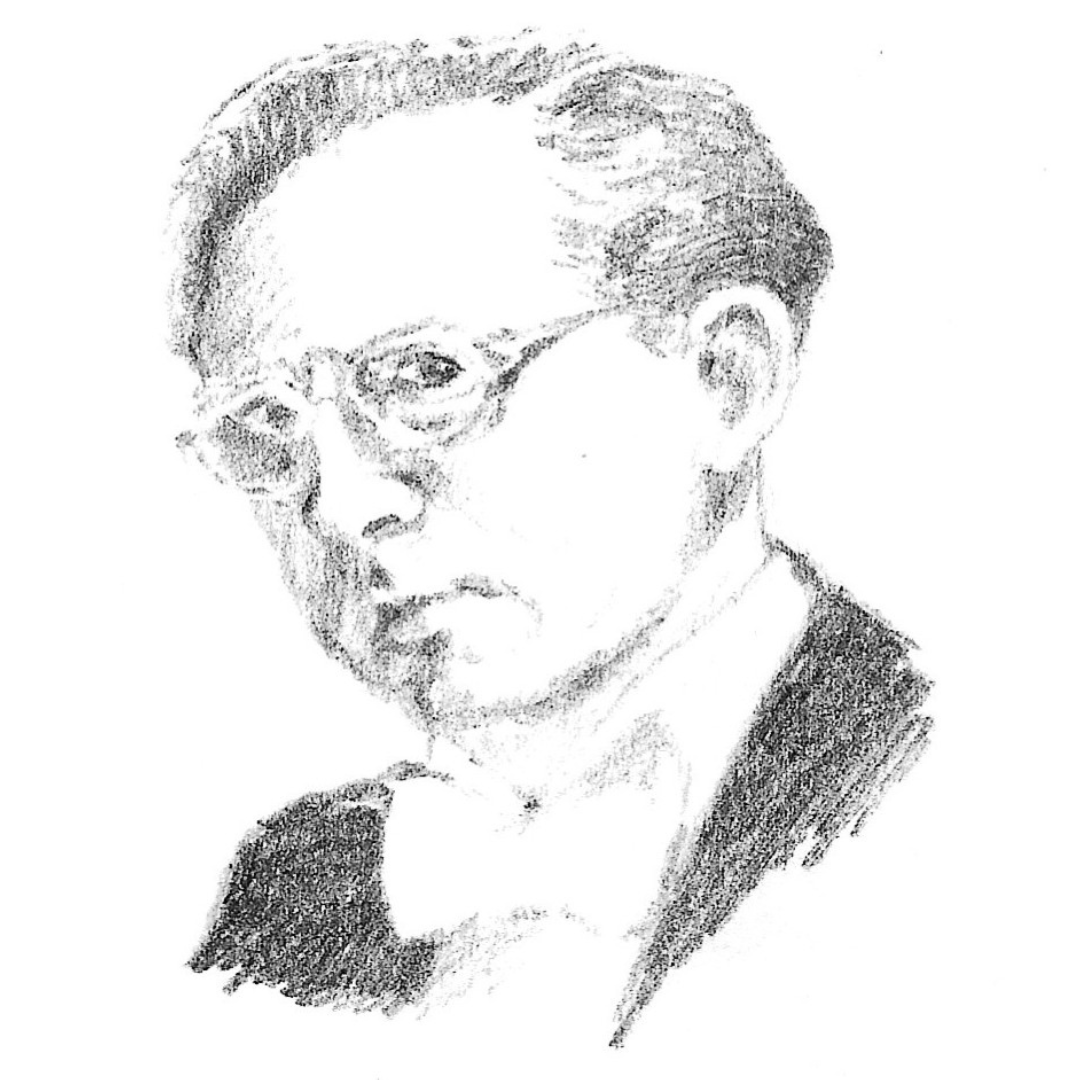
Franz Waxman
(1906‒1967)
Taras Bulba
Epic historical films generally need a musical score to match their scale, which is why, once I’d started wearing out my MFP Great Movie Themes Composed by Miklos Rozsa album (see above), I cast about for something similar and came across the glorious Great Epic Film Themes by Various (‘Various’ is always a good sign that they only chose the biggest and the best – or at least the biggest and best they could afford). Similar ‘Tremendous Writing’ rock font, solid maroon background colour, and what a line-up of titles, many of them from the original film soundtracks – Frank Cordell’s Khartoum (1966), Mario Nascimbene’s end title from The Vikings (1958 – you can almost smell Kirk Douglas’s corpse going up in smoke), and John Addison’s Charge of the Light Brigade (the good British one from 1968, not the rubbish Errol Flynn nonsense which displaced the famous Charge to the North-West Frontier). Side One ended with Rozsa’s own love theme from El Cid which, in Felix Slatkin’s energetic version, makes it sound like Charlton Heston and Sophia Loren are going at it full tilt on horseback, but the whole thing starts off with Franz Waxman’s fabulously exciting overture from Taras Bulba (1962) which hits the ground galloping and never lets up. I have not seen the film – never even seen it advertised – and, truth be told, I’m not even sure what a ‘taras bulba’ is – some sort of Persian hat? An Afghan milking stool? No matter. This thrilling piece of music is in the world, it introduces one of my all-time favourite albums that I’ve been happily playing now for over fifty years, and it reminds me of those endless Saturdays I used to spend bent over my Airfix kits with this and similar compilations playing loud on the old red and cream Dansette in the corner. As it happened, Taras Bulba was one of Waxman’s final scores. It got nominated but never won the Academy Award, even though Bernard Herrmann called it “the score of a lifetime”. Luckily, Waxman had already secured two of the coveted statuettes, for Sunset Boulevard in 1950 and A Place in the Sun the following year. Quite right too.
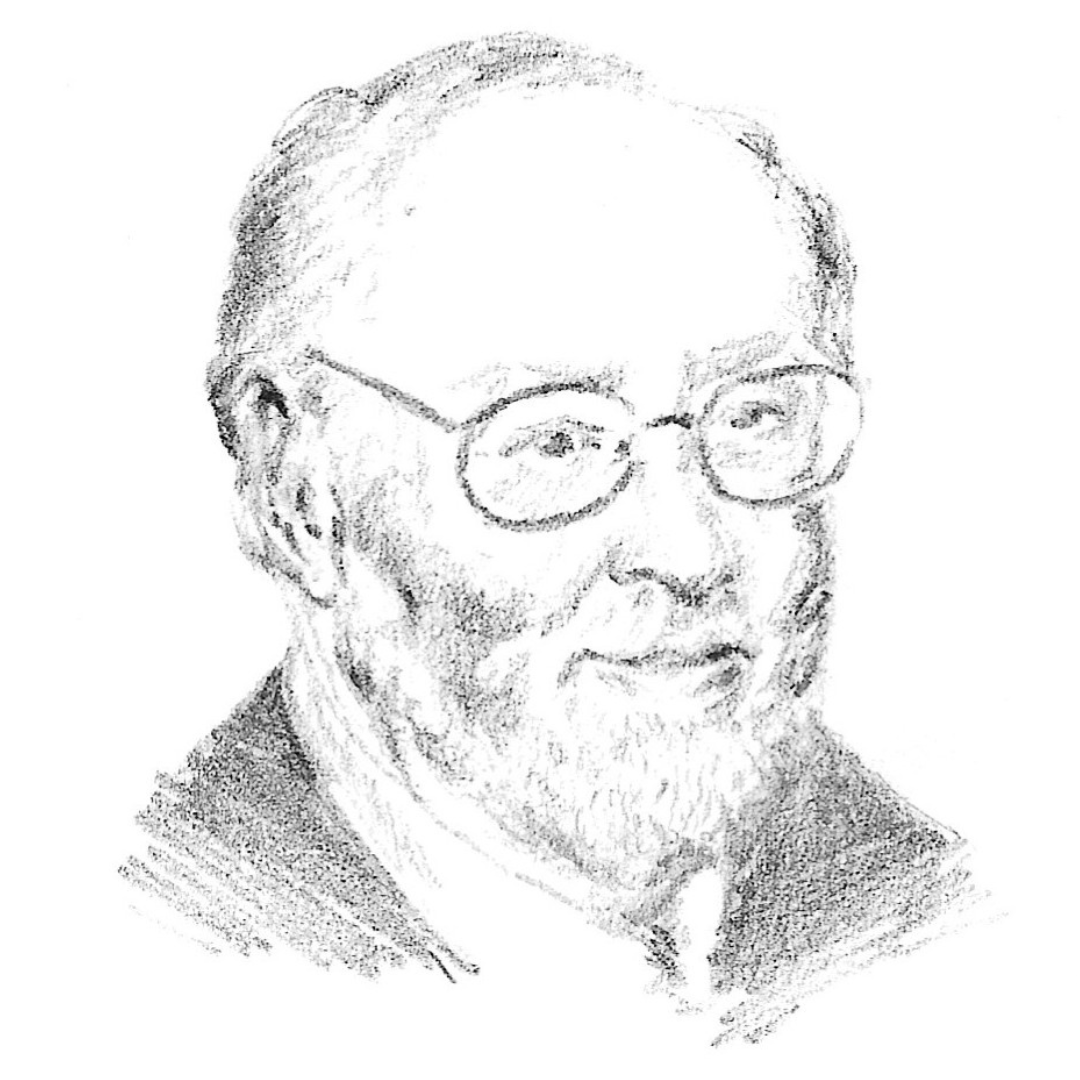
John Williams
(1932‒)
E.T. the Extra-Terrestrial
Just as Jerome Kern said of Irving Berlin that “he has no place in American music – he is American music”, so these days one could say of John Williams that he is the most significant film composer of the last fifty years. Not only has he produced more well-known themes for more fabulously successful movies than anyone else – not least thanks to his continuing bond with that other genius Steven Spielberg – but he’s managed to outlast a lot of his seriously good contemporaries – like John Barry, Ennio Morricone, Lalo Schifrin, James Horner, Ryuichi Sakamoto and Angelo Badalamenti, who are sadly no longer around to move and excite and enthral us. Star Wars currently stands at number one in the AFI’s 100 Years of Film Scores list, edging out such stiff competition as Max Steiner’s Gone With the Wind, Maurice Jarre’s Lawrence of Arabia, Bernard Herrmann’s Psycho and Nino Rota’s The Godfather. Guess which score comes in at number six? John Williams’s Jaws. It is well known that Spielberg had anticipated something grandiose and sweeping for the shark and thought Williams was joking when he first proposed the spare, chilling two-note ostinato that would go on to become a universal shorthand for approaching menace. He certainly has an indispensable knack for capturing the required tone for a scene or a character – Superman’s soaring melody, Indy’s bustling no-nonsense march, the bare-bones plangency of Schindler’s list – and let’s not forget that before his association with Spielberg, he had already scored several TV series and films for Irwin Allen, from the off-kilter Time Tunnel and the brassy Land of the Giants to The Poseidon Adventure and Earthquake on the big screen. So the man knows his stuff, even if sour critics occasionally like to point out that a lot of his work can be described as, at best, homages to, and at worst, pastiches of earlier greats like Holst and Ravel and Stravinsky and Khachaturian. FWIW I find his themes, while memorable, can be unsubtle and populist in the negative sense, but you can’t argue with that kind of success, and for my money the last twenty minutes of E.T. remain among the most heartbreaking and memorable I have ever spent in any theatre. I can still hear the sniffles of that first full house beneath those big final chords and that thumping bass drum, beating almost as loudly as every heart in that cinema.
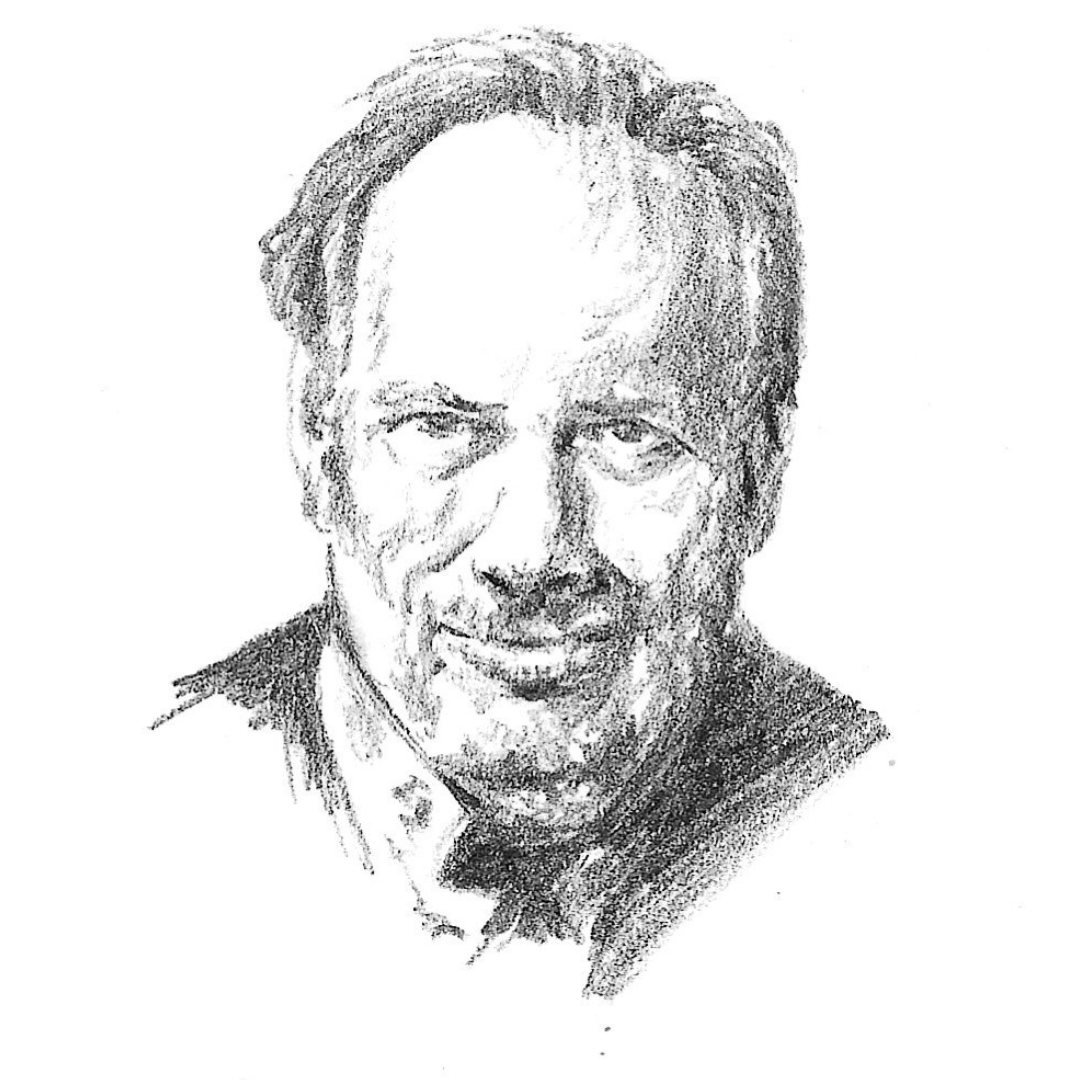
Hans Zimmer
(1957‒)
Pirates of the Caribbean
An early success for Hans Zimmer was co-writing the Going for Gold theme tune, that creaky old daytime quiz show for European contestants that skewed the chances grotesquely in favour of the English-as-a-first-language cohort by having Irishman Henry Kelly read the questions in his best Dublin accent. Zimmer’s first big-screen success was Rain Man in 1988, followed in quick succession by Driving Miss Daisy (1989) and Thelma & Louise (1991). After such a strong start, there was no looking back and the rest is history. But if you do look back at his complete list of films on his Wikipedia page it’s astonishing to see that it runs into three columns, which only goes to show how much work a successful professional can get through once they have the wind at their backs… It also suggests, of course, that he may have had help with some of them. For instance, ‘He’s a Pirate’, the main theme from Pirates of the Caribbean (2003), was co-authored with Klaud Badelt, but you can see why it swiftly became so iconic, because it is both specific and timeless, creating a mood of adventure and restless energy that would be a plus in any action movie – or trailer, or advert, or sports arena pre-match shenanigans. And so it has proved. To be ultra-successful, a piece of music doesn’t always have to be infinitely transferable like this. But sometimes it helps.