
Singer-Songwriters
These are some of the singer-songwriters who meant a lot to me back in the day and who, as time goes by, I have only come to appreciate more.
It was only after I’d started the drawings that I remembered most of them date from the seventies, so in no time the exercise became all about the hair. But I wouldn’t have had it any other way. While my generation might have had to deal with some duff fashions and some dodgy haircuts, the one area we were blessed in was the music. We had prog rock, glam rock and soft rock (or ‘yacht rock’, and give the person who invented that term a medal, the same one that should go to the genius who thought shorts would sell better if you called them hot pants); we had reggae and disco and soul; R&B and heavy metal; folk rock and the Philadelphia sound. Some people were even Kung Fu fighting for about five minutes. It may all have come crashing to a disastrous halt with punk, which told the talentless they had the same right to be adored as anyone who could actually do it properly, thereby killing off any further interest I had in the business, but while it lasted the kids, at least in terms of the music they got it on to, were all right.
And the place we watched it all play out was The Old Grey Whistle Test on BBC 2 with the twin maestros John Peel and Whispering Bob Harris. It was on this show that I first saw a lot of the people depicted here. Anyone who was anyone in the music industry had their five minutes of fame there, if nowhere else, in front of an appreciative audience which was as hooked as it was hairy.
If these diverse individuals have anything in common, it might be that they all not only wrote such good songs, but they could sing and play them as well. What lucky alignment of stars and genes and molecules is at work there, gifting them such a harmonious and complementary cornucopia of essential talents? Not all people who write good songs are good singers – look at, or rather listen to, Cole Porter. But in his day he had the likes of Fred Astaire and Frank Sinatra and Bing Crosby and Ethel Merman to put the stuff over for him. None of the people depicted here needed any help in that regard, which is another reason why the period between The Beatles’ first LP and Abba’s last before they ascended to pop Valhalla was the greatest decade and a half in the history of popular music.
BTW, I had originally intended to ginger up the captions with a teaser line or two from the song I’d chosen to represent them, but having checked the draconian penalties of doing so without securing permission, I quickly dropped that idea. Try YouTube instead. You might be able to get a taste of what I mean in between the adverts…

Pete Atkin
(1945‒)
Dancing Master
Pete Atkin met Clive James (yes, that Clive James) at Cambridge in the mid-sixties and they started writing songs together for Footlights revues and smoker concerts. Over the next ten years they produced half a dozen albums full of songs or rare literacy and melodic beauty which got nowhere except into the hearts and minds of a small group of die-hard fans. In around 1975, in a music shop in Oxford, I briefly held in my hands A First Folio, a collection of the music and lyrics of Pete’s latest two albums, Road of Silk and Secret Drinker. It broke my heart that I was too poor to buy it, and it has been unattainable ever since. I consoled myself at the time that I wouldn’t have been able to learn the songs from the music and chords alone, and it was unlikely I would ever be able to afford those albums either even if I ever found them on the shelves. I was not to know that the advent of the world wide web would not only revive interest in the Atkin/James back catalogue, under the stewardship of energetic fan Steve Birkill, but it would also encourage the two to produce another half-dozen or so terrific albums of new songs. (Of course, one’s financial situation has improved somewhat since then so happily I now have several copies each of their entire oeuvre on CD.) Pete has a rare gift for memorable melody and in my college folk club days I could often manage to work out a manageable version of the guitar accompaniment easy enough to satisfy me and approximate enough to fool the audience. ‘Beware of the Beautiful Stranger’ with its famous descending top line was a good example – once you’ve worked out it starts in G, you’re halfway there. But I never did get on top of ‘Girl on the Train’ until I finally found the secret of that wistful tune finally revealed on Pete’s website, Smash Flops. Another highlight is the piano epic, ‘Thirty-Year Man’ from their third album in 1973, A King at Nightfall, inspired perhaps, Clive says, by Julie Covington, who was also at Cambridge at the time and for whom the pair provided most of the songs on her first solo album, The Beautiful Changes in 1971. A late entry to the canon, ‘The Way You Are With Me’ from the album The Colours of the Night, is a quintessential example of the best of the Atkin/James collabs, but ‘Dancing Master’ from Winter Spring is probably my absolute favourite, all things considered, mainly because it makes me cry every time I hear it. It’s about unrequited love, and we’ve all had a few of those.

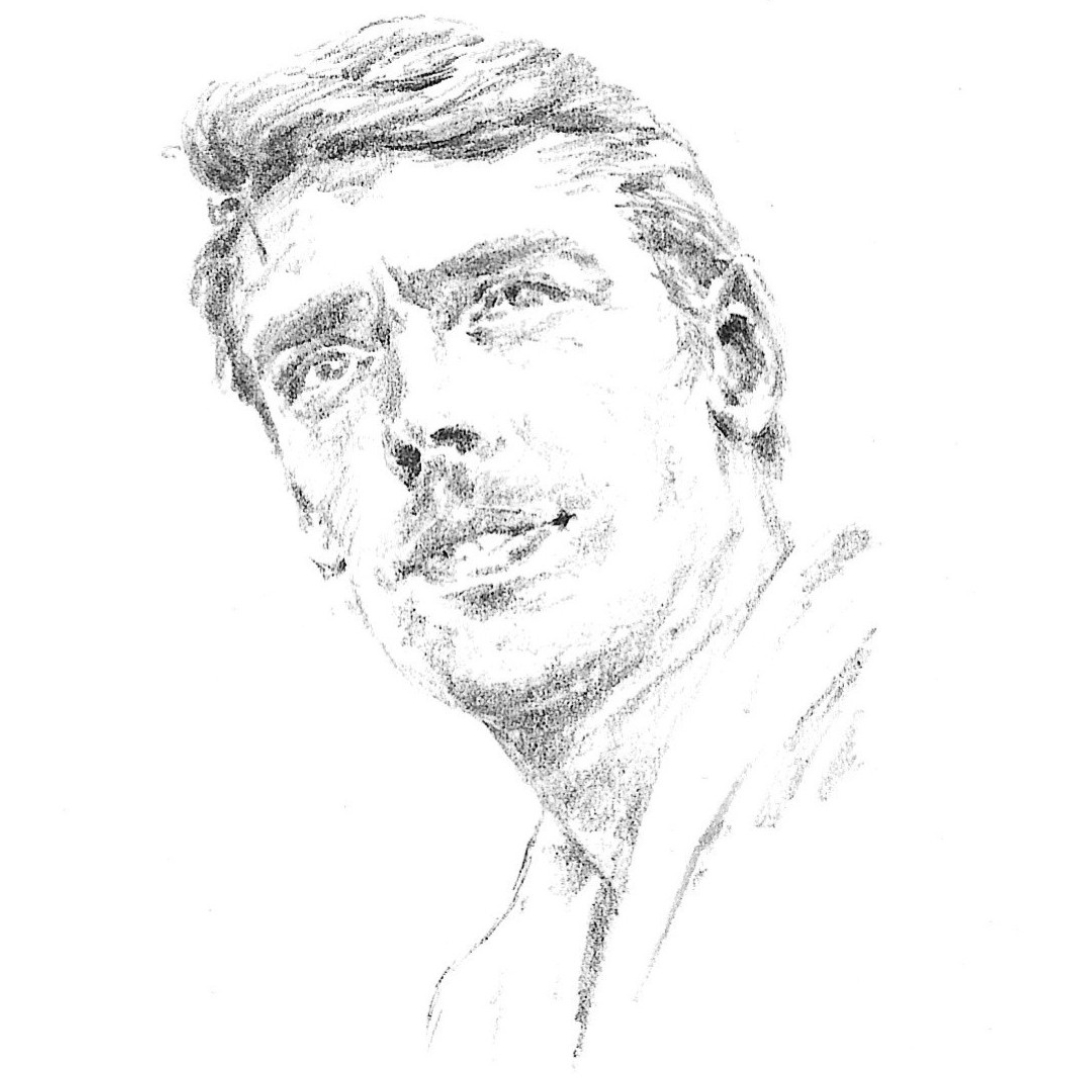
Jacques Brel
(1929–1978)
Mathilde)
Jacques Brel didn’t use to sing his songs so much as he would embody them, live them, suffer them. You can hear the passion on the recordings, he must have been absolutely electrifying live. Of course, he was foreign and working in that European tradition of the so-called chansonnier that we don’t really have over here, but the French went in for them in a big way – think Edith Piaf and Charles Trenet and Georges Brassens. Brel was actually Belgian but with the most powerful uvular fricative in the western world. Unless you’re brought up to it, you could do yourself a mischief trying to emulate that gravelly rolling of the R in the back of the throat he used to do. That’s why the anglophone singers who enthusiastically selected from his oeuvre took the prudent course of having the lyrics translated into English first. Chief among these is Scott Walker, who liked to feature Brel songs on his albums, even the more risqué ones like ‘Next’, about a mobile army brothel, ‘Jackie’, the memoirs of a gigolo, and ‘The Girls and the Dogs’, comparing women, unfavourably, to man’s best friend, even though the women get the last laugh in the end. Crucial to the success of such songs are the English translations, mainly undertaken by Mort Shuman and Eric Blau, who went on to compile a hugely successful musical in 1968 called Jacques Brel is Alive and Well and Living in Paris. ‘Mathilde’ takes the form of a frenzied monologue from an unnamed man desperately seeking help and support from his friends as a dreaded ex, the titular Mathilde, suddenly decides to put in an unexpected appearance.
Brel’s own version of this song is a more laid-back affair than Scott Walker’s ripsnorting banger from his 1967 debut album Scott. In the hands of Angela Morley, under her former name Wally Stott, the music by frequent Brel collaborator Gérard Jouannest is transformed into a hard-driving monster of an accompaniment, announced by blaring trumpets and galloping along without pause until the final despairing cries of the hapless protagonist (“Mathilde is here once more!”) become drowned in another sustained brassy chord and three final thundering drum beats like nails being driven into a coffin. Reading between the lines, this Mathilde must have been a bit of a handful. But it’s all incredibly noisy and energetic and great fun for the rest of us, if not necessarily for the poor sod singing the song.
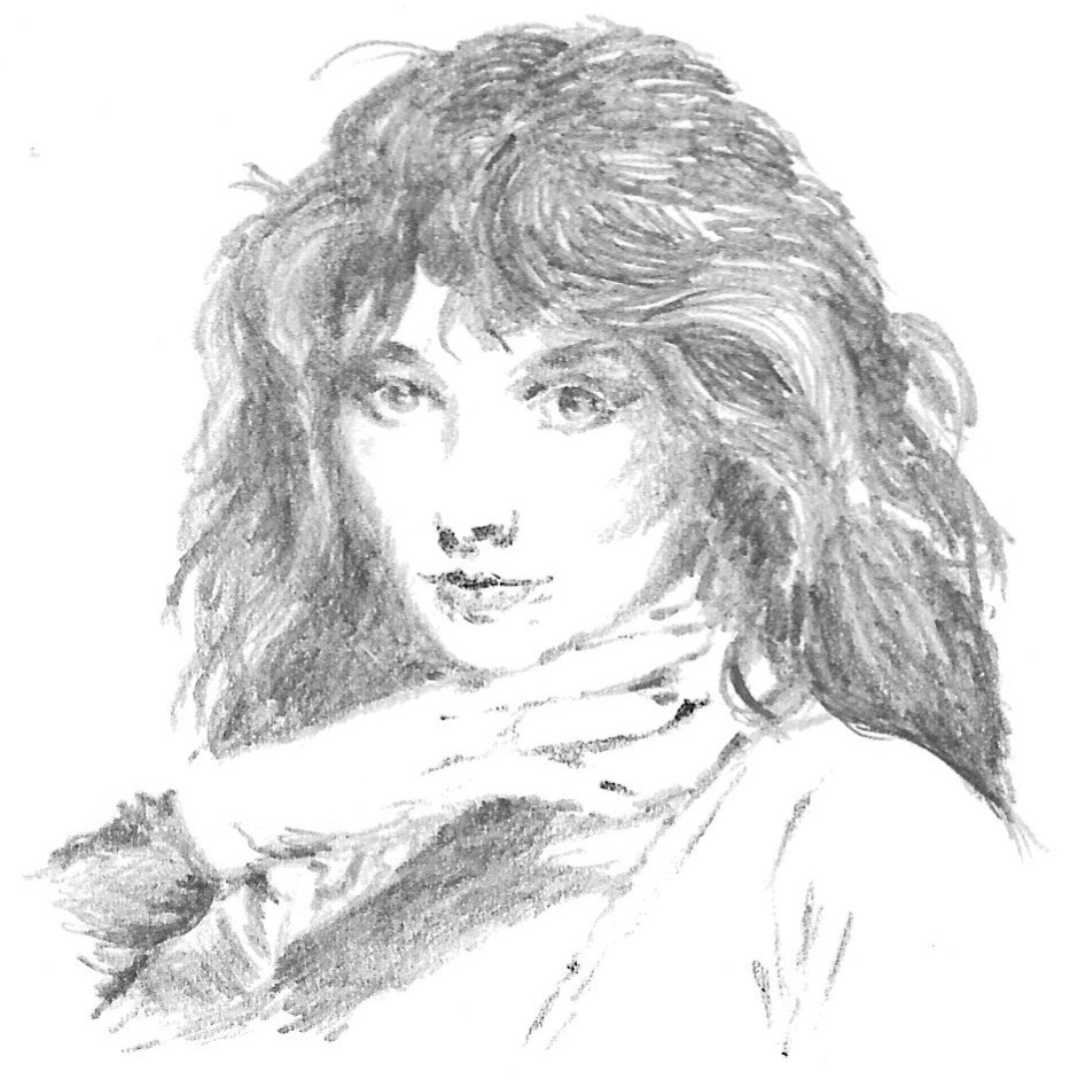
Kate Bush
(1958–)
Running Up That Hill
Some of us had known all about Kate Bush long before ‘Running Up That Hill’ became a massive hit all over again when it was featured in the fourth series of Stranger Things on TV. It’s the opening track on her fifth studio album Hounds of Love where it is followed by the title track itself and later, closing the first side, ‘Cloudbusting’. Who else remembers the video of that last one, where the gorgeous Kate, her wild locks shorn to urchin length, helps her screen dad Donald Sutherland push some enormous phallic-shaped cannon from the Art Deco era up White Horse Hill at Uffington to blast rain out of a flock of innocent clouds, much to the annoyance of a bunch of establishment types? (Is one of them Hugh Laurie, or was he in another video? I forget now.) You’d have thought any government, however authoritarian, would welcome a device that could make it rain these days, phallic or not, but the world was different then and the summer weather more clement than we are currently used to. I think her sleeve notes also give some kind of shout-out to her doggy companions on the cover, a couple of Weimaraners if I’m not mistaken. Lucky dogs, getting a hug each from these tender, clever arms, not to mention the full benefit of their owner’s gorgeous, flowing barnet…
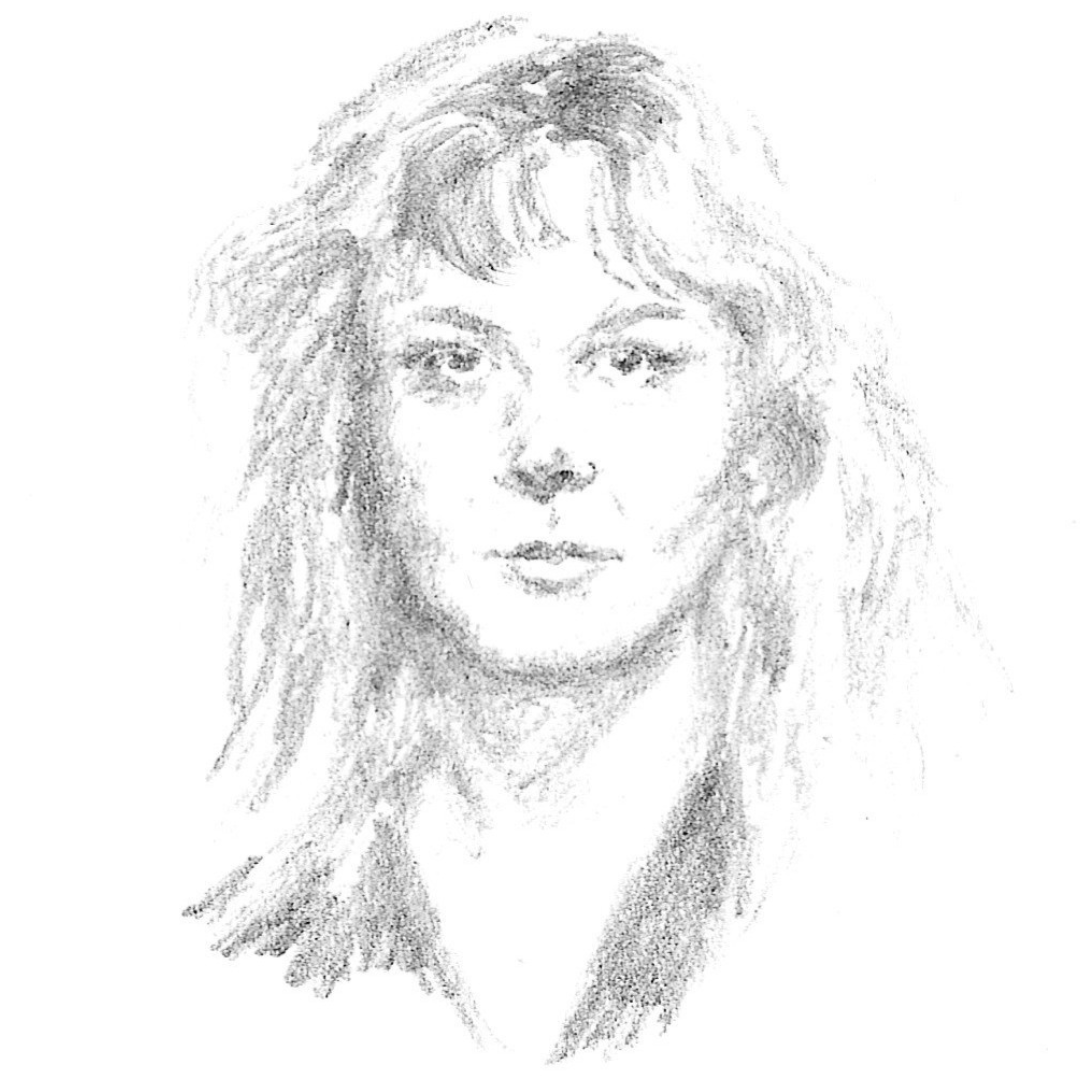
Sandy Denny
(1947‒1978)
Who Knows Where the Time Goes
I have left instructions, only half-jokingly, that in the event of my demise, while my casket is rolling into the flames, I would like John Barry’s closing music from The Lion in Winter to be played at full volume, to give me the kind of dignity and stature in death that I sadly never quite managed to achieve in life. As the mourners are gathering at the start of the service, however, I would like them to be welcomed in and soothed by the calming beauty of this, Sandy Denny’s masterpiece, and surely one of the most achingly lovely songs ever recorded. It’s not just the melancholy of the lyrics, not just the plangency of the melody, it’s the miracle of that voice, so strong and pure and heartfelt. A lot of her songs seem to be in a minor key, but this one, I think, is in E major. It’s the lowest major chord you can play on a guitar with conventional tuning, so it sounds grounded, stable, meant. It feels quietly confident. But I suppose all the clever artists and arrangers who’ve got their hands on it since it first appeared in 1967, people like Judy Collins and Sandy herself when she was with Fairport Convention, can slap a capo on their fingerboard at any point and sing it in whatever key they like. It’s believed to be one of the very first songs she ever wrote – obviously starting as she meant to go on like Kate Bush and Ralph McTell and Adele and Paul Simon – and it was also the last song she ever performed live before her sudden death at the age of 31 in 1978. A fitting farewell. But also so damn sad.
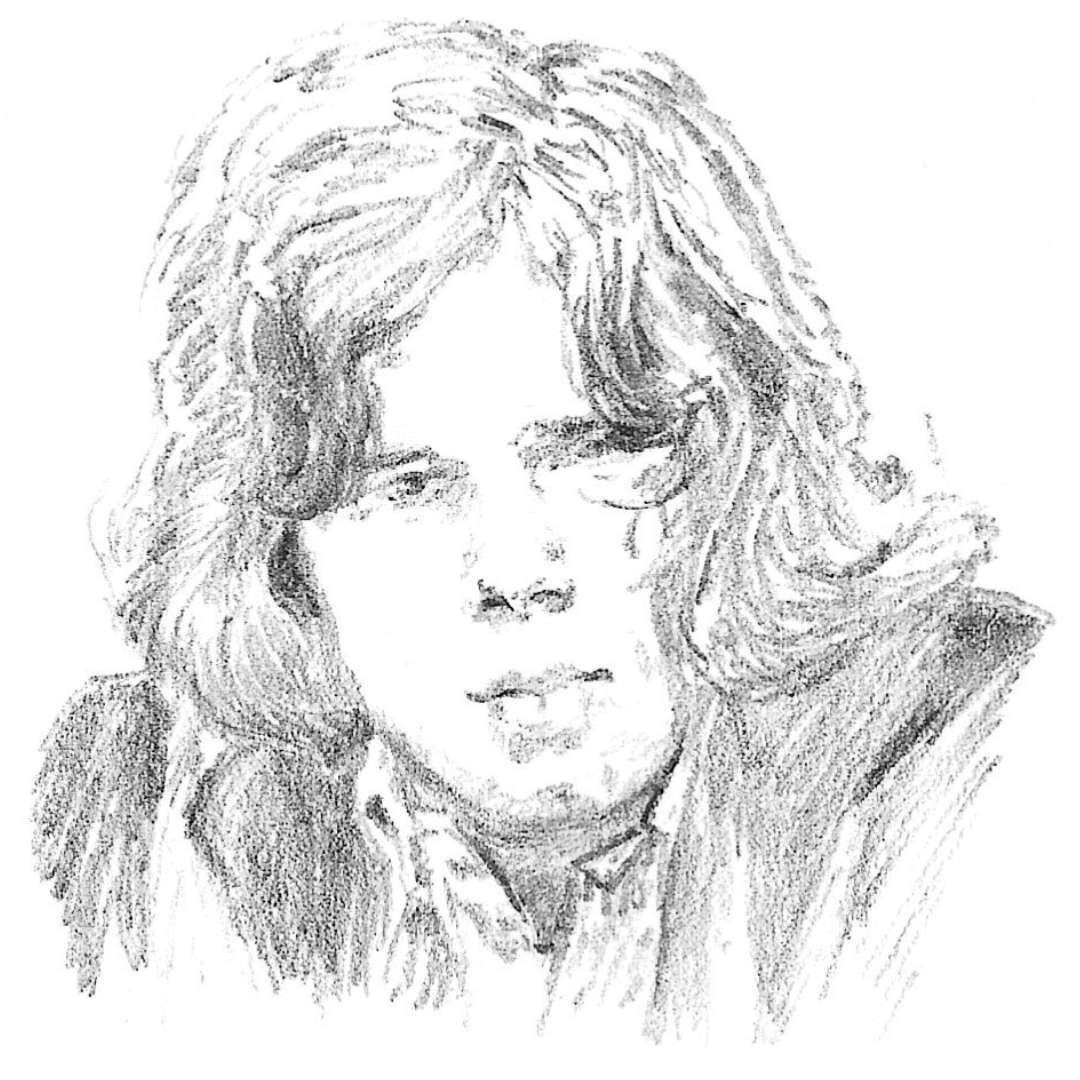
Nick Drake
(1948‒1974)
Hazey Jane I
I first heard this on the Island sampler double album Bumpers in 1970. Despite hefty competition from such contemporary luminaries as Traffic, Mott the Hoople, Jethro Tull, King Crimson, Fairport Convention, Renaissance and Fotheringay, this was the track I played to death. It was also the stand-out track of Nick’s album Bryter Layter in 1971, even though it was rubbing shoulders with such glorious pieces as ‘At the Chime of a City Clock’ and ‘Northern Sky’. Some fans claim they much prefer the unadulterated Nick Drake, just the voice and the guitar without all these ‘fancy’ arrangements by the likes of Robert Kirby, but while the song itself – which is certainly available sans orchestration – is solid enough to stand on its own two feet, for me the subtle background adds immeasurably. The strings are so tasteful and unobtrusive, they always sound to me like they’re playing in the next room, too shy to want to intrude on the studio proper, and Dave Mattacks’s drumming here is as characteristically subtle as it is unmistakable. And it’s not as if you could miss Nick’s own guitar playing anyway. That fabulous descending cadenza in the opening moments, like a mouse scampering down a clock and then back up again, gets things off to a dazzling start and there isn’t a dull moment in the entire four and a half minutes it lasts. Don’t ask me what the lyrics are all about. I love the man, but I couldn’t begin to guess what he’s getting at half the time. Something sad and profound I should imagine, in most cases, given how he lived his life and met his death aged just 26. He was famously unforthcoming on stage and hard to read at the best of times. All I know is, those three albums he left us – Five Leaves Left, Bryter Layter and Pink Moon – are worth their weight in uranium. As for that guitar opening, even once I’d tracked down a copy of the tabs and had worked out how he played it, I knew immediately this was one song it would be sacrilege for me to try and butcher in performance. There’s no conveying the virtuosity of that passage with a couple of listlessly strummed chords. In a tribute to Nick Drake’s music at, I think, the Albert Hall a few years ago, somebody played a version of this song, complete with guitar accompaniment, note for note, perfectly. So it can be done by someone who knows what they’re doing. But writing the thing in the first place before you’re barely out of your teens… I believe it was Schopenhauer who said something to the effect that ‘Talent is the ability to do what other people can’t do; genius is the ability to do what talent can’t do.’ When there’s people like Nick Drake around who could do both, it can sometimes make the rest of us feel a bit useless really.
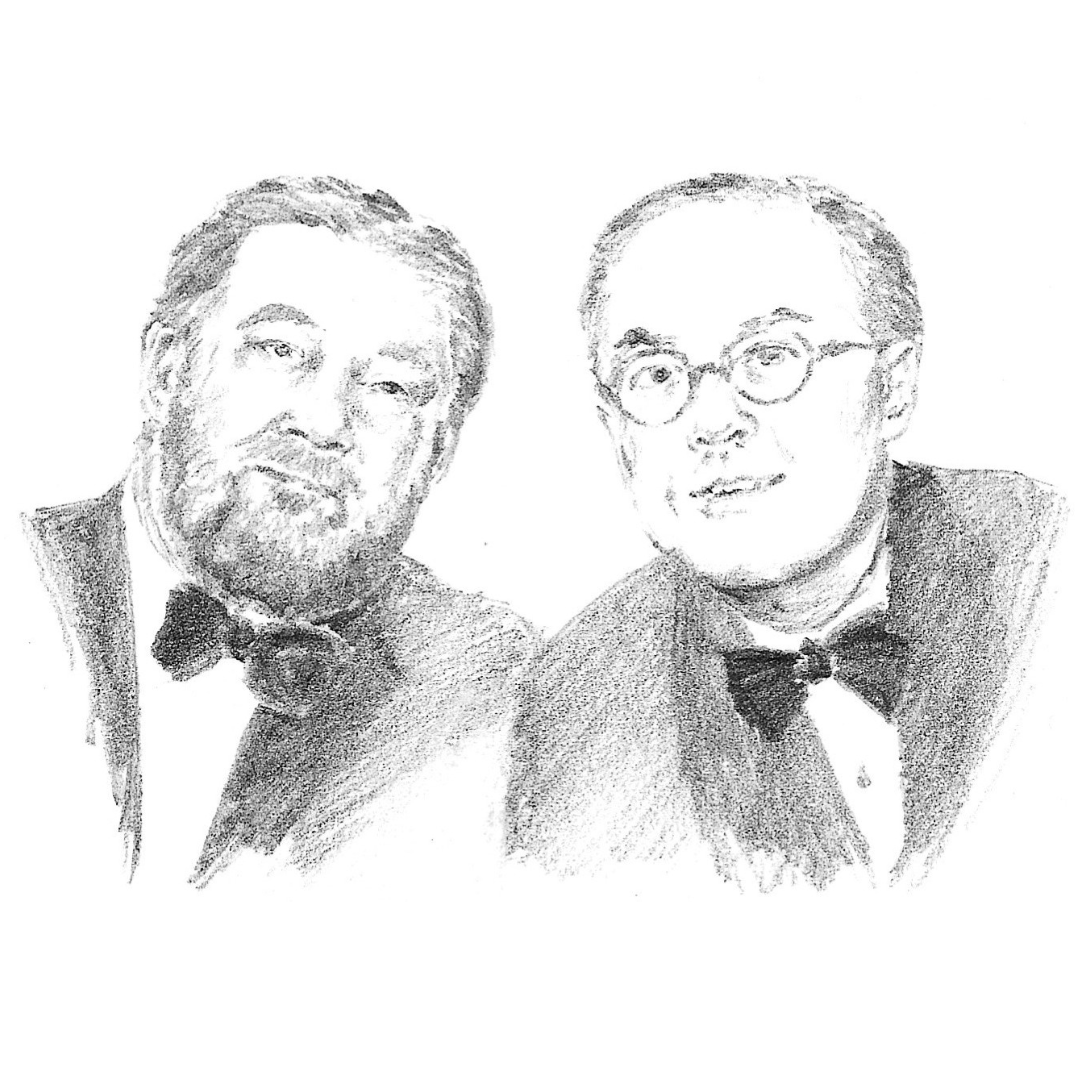
Flanders & Swann
(1922‒1975) & (1923–1994)
Every Sunday lunchtime in the sixties we always had the radio on in the corner, and it was under these circumstances that I was first exposed to some classic early comedy. The Navy Lark and Round the Horne were two, the unique comedy stylings of Al Read a third. And there were request shows as well, with lots of mentions of a mysterious body called the BFPO, which frequently played such clever Americans as Bob Newhart and his ‘Driving Instructor’ and ‘Introducing Tobacco to Civilisation’ sketches. Flanders & Swann must have been in this mix somewhere because I remember a lot of their classic favourites from those days too – ‘The Hippopotamus Song’ (Mud, mud, glorious mud), ‘The Gasman Cometh’ (with its perfectly circular plot structure creating the final clinching gag), ‘The Gnu’ (with its astonishingly aggressive twist, ‘I’m a gnu – a gnother gnu’), and the best of the bunch, ‘Ill Wind’, based on Mozart’s Horn Concerto No 4.
Someone has stolen Flanders’s French horn, you see, on which he was only just beginning to make some progress, and he wishes to complain to us about it. He tells us three times that he has ‘lost that horn’, until suddenly, out of the blue, he ‘found that horn’ only it was still ‘gorn’. You wonder whether that was the joke he started out with, or whether it was a lucky twist that struck him during the composition. Certainly it’s a gentle kind of humour, probably too sophisticated and witty for today’s coarser tastes, but it still does the job for me, a lovely remnant of a more gracious time.
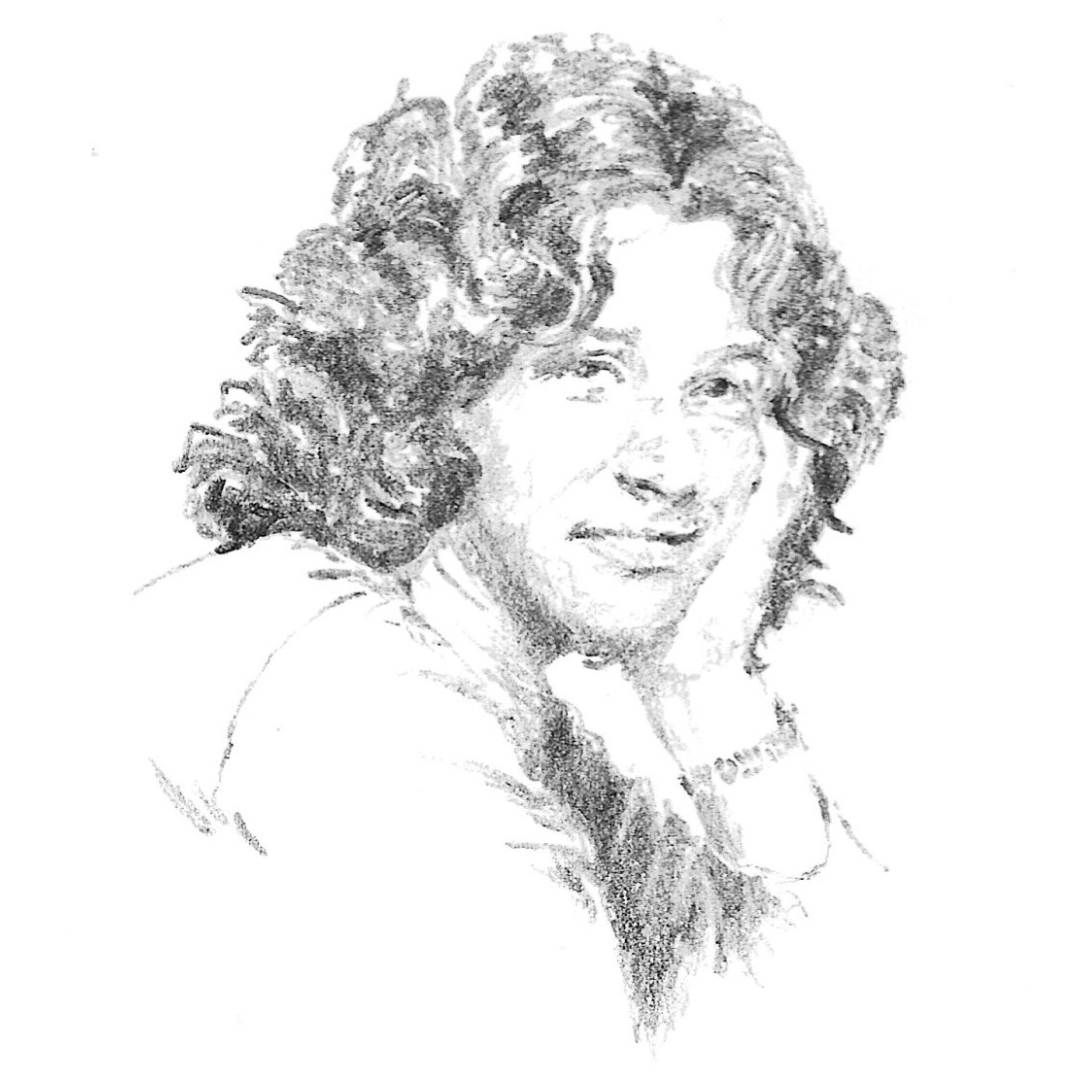
Carole King
(1942–)
You’ve Got a Friend
There are so many, and this one gained even greater popularity through James Taylor’s version than Carole King’s own, but the Grammy Award proves it was the song itself that made the point. Like all the best people, Ms King is careful to give credit where it’s due, and she tells the story of how James Taylor would introduce her to the audience by listing a few classic songs and then saying “Now here’s the lady who wrote them”, so she would walk on stage, as she puts it herself, “pre-loved”. And what songs was he referring to? Well, songs like ‘I Feel the Earth Move’, the funky opening to Carole King’s classic 1971 album Tapestry, ‘It’s Too Late’ from the same album with lyrics by Toni Stern, ‘Will You Love Me Tomorrow’ co-written with Gerry Goffin (usually known as ‘Will You Still Love Me Tomorrow’ because that’s how the line is sung more frequently in the song), and ‘(You Make Me Feel Like) A Natural Woman’ by Goffin/King/Wexler, and made famous by Aretha Franklin. In a later day many of us will also remember Selma Bouvier singing that last one to her iguana Jub-Jub in an episode of The Simpsons, where it is as moving there as it would be in any other context. Babies come in all shapes and sizes and colours – just like friends, and the people we most admire.
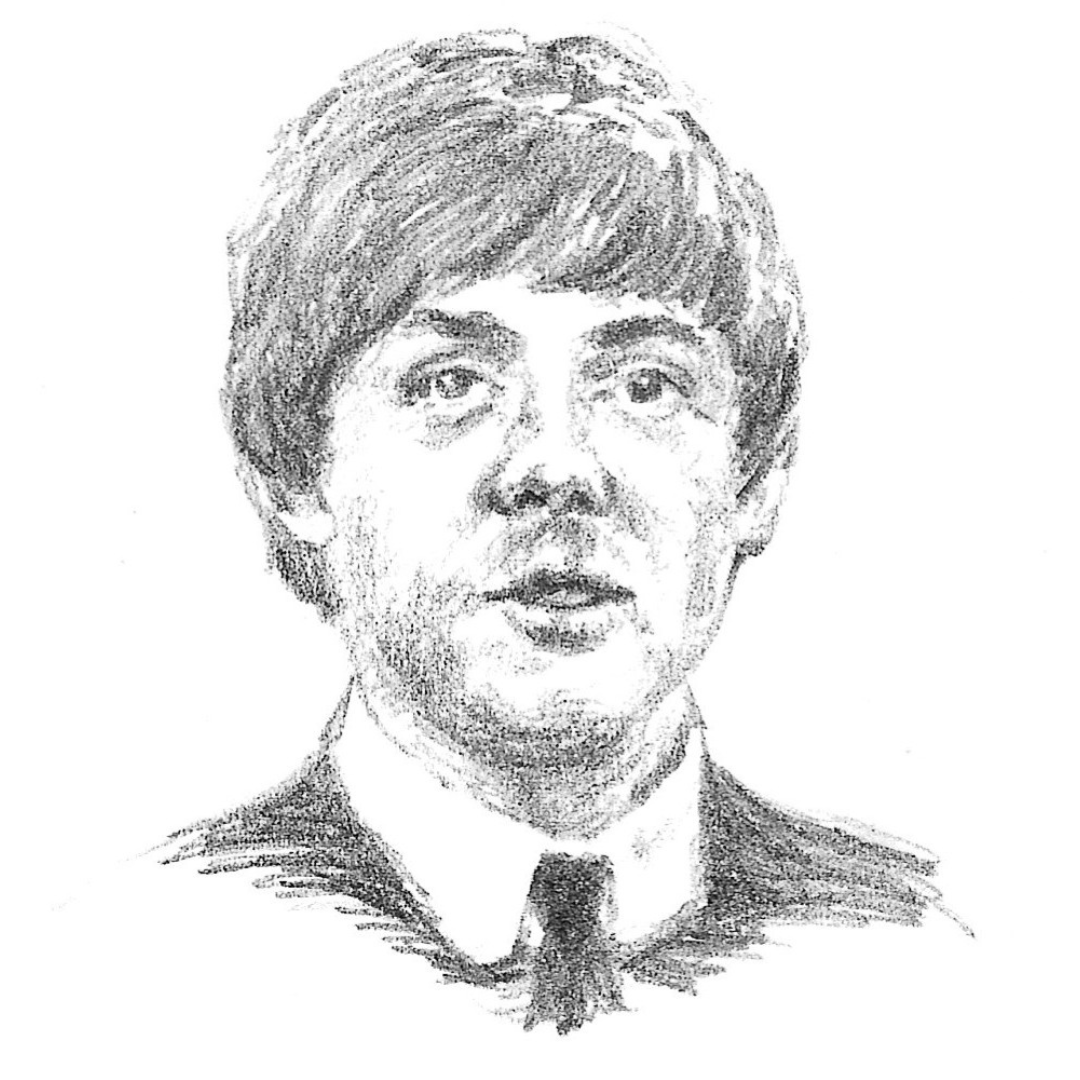
Paul McCartney
(1942‒)
Penny Lane
You’re meant to be able to tell a lot about a person depending on whether they prefer Charlie Chaplin or Buster Keaton. (I’ve always been a Keaton man myself, he’s brisker, less sentimental, and more masculine.) Similarly, your taste in Beatles is also meant to be in some way revealing of your inner character. Girls like to swoon over George’s air of melancholy, lads went for Ringo’s blokeish charm, etc. All nonsense of course, but FWIW Paul was the man for me, rather than John Lennon. We will never know quite who should be accorded what credit and in what proportions for each of their best collaborations, but as time has gone on, I’ve discovered that Paul was the prime mover behind most of my favourites – ‘Hello, Goodbye’, ‘Here, There and Everywhere’, ‘I Will’, ‘The Fool on the Hill’, et al. Composer and musicologist Howard Goodall, in one of his excellent documentaries about the group, does a superb breakdown as to why ‘Penny Lane’ is so good technically. For those of us who can’t tell our arias from our Elgars, it’s enough to acknowledge its unfailing ability to put a smile on our face. While its weird imagery and the occasional lapses into the minor key may keep you off balance for most of it, the final chorus with its triumphant return to the key of B major (apparently) and that piercing piccolo trumpet sweeping you irresistibly up into the blue suburban skies, always cheers me up. It’s what I would call the quintessential 1967 song, because whenever I look back, 1967 looked the way ‘Penny Lane’ sounds – all sunlight and short summer dresses and bright military uniforms. The Prisoner and Rowan & Martin’s Laugh-In were on TV, I was reading endless paperbacks based on the characters from The Man from U.N.C.L.E., and I was about to start big school. Such a change from 1966, whose spirit song was ‘Eleanor Rigby’, with its tense, nervous strings and black and white mood. Sure, we would win the World Cup in those dazzling red shirts, but the sixties only really became the sixties the following year, and this song played a big part in bringing that transformation about.

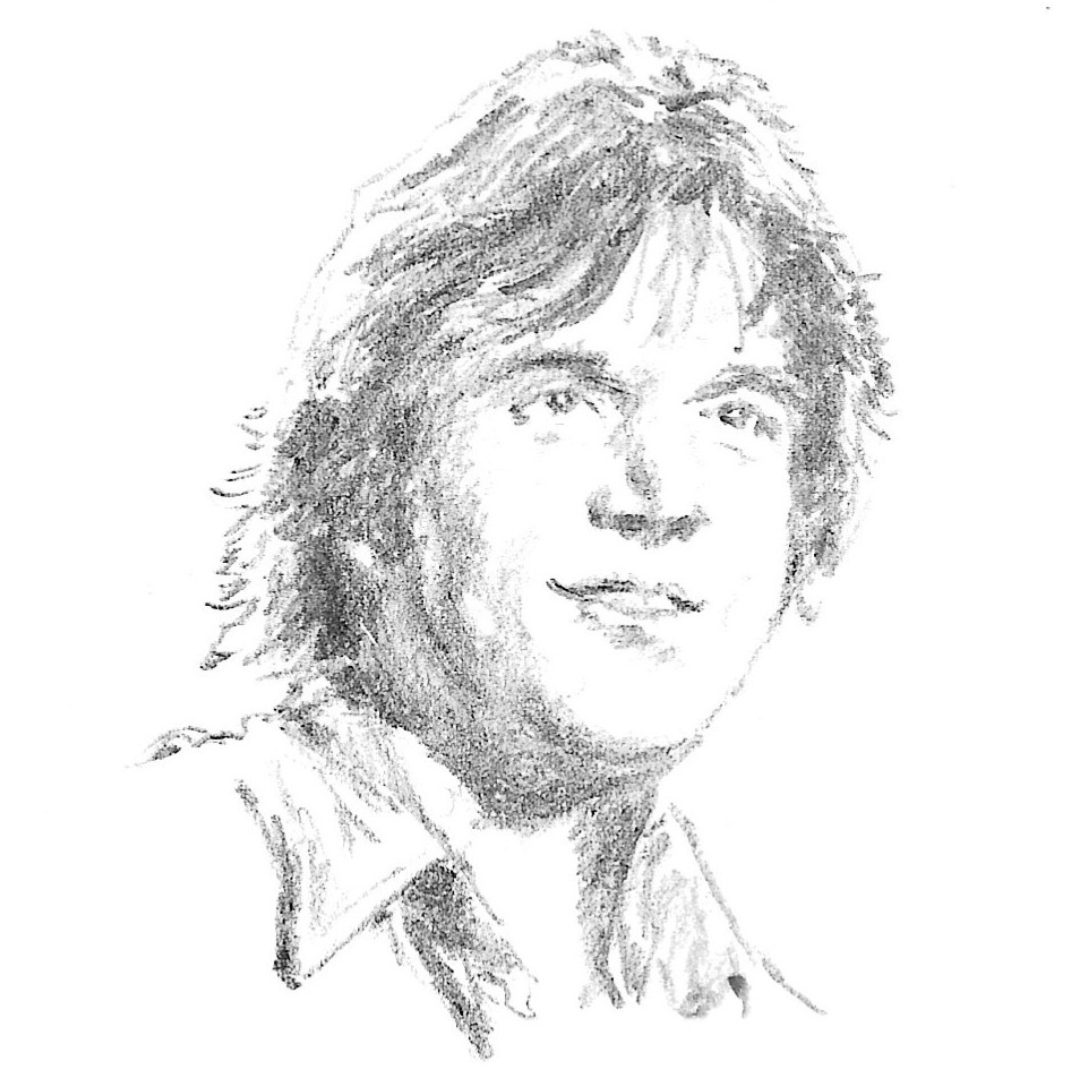
Ralph McTell
(1944‒)
Let Me Down Easy
I learnt most of my guitar chords from the sheet music of songs I already knew, so I could relate the shapes to how they sounded. And because I was always looking for playable material that would be appropriate for the college folk club, I ended up leaning heavily on Ralph McTell. He had no more fingers and hands than I did, and we shared a similar number of vocal cords, so surely the difference between us could be bridged by practice, I thought (wrongly, as it turned out). Luckily, he’d published a few chord books and ‘Let Me Down Easy’ from the 1974 album Easy was a key text in showing me that you didn’t have to just play the individual notes of the chord, you could (and, apparently, were supposed to) do a bit of jiggery pokery with your fingers as well within and around the chord to get a bit of interest into the accompaniment. This one, for instance, starts off with some weird configuration up around the fifth fret or something, an area of the fingerboard I rarely visited (was it an augmented or a diminished shape? I never did sort out the difference), and then in the verse there’s some kind of chromatic progression going on with your little finger. It’s all a long time ago now and I no longer play nearly as much as I once did, but I daresay if I were to heft the old jumbo into my lap again – assuming I still had the strength – muscle memory would kick in and I could probably make a fair fist of playing it through. Whether I could remember all the words is another matter. Having said that, I do remember playing it once in an attempt to woo a girl I liked at college. More experienced players than I might question the wisdom of trying to use a song about the end of a love affair to kindle a new one IRL, but I was naïve and stupid in those days, and I’d only just learnt the bugger so was keen to show it off to anyone kind enough to sit still and listen. Luckily, the piece is so perfectly constructed that not even I could balls it up. In short, we read no more that day…

Joni Mitchell
(1943‒)
Both Sides, Now
You don’t need to watch Emma Thompson’s heartbreaking two minutes in the bedroom in Love, Actually¸ where this song is playing on the soundtrack, to share that emotion. Those of us who were around to experience its first iteration in the late sixties already knew it was a tour de force. Harder to play than you might think though. Apparently old Joni went in for a lot of weird tuning in those days – I looked up ‘Chelsea Morning’ once, and it turned out that accompaniment shares the same ‘open tuning’ as this – DADF#AD, if that means anything to you – and I was put off because I thought, surely if you fart about with your guitar tuning, you’re going to have to relearn all your chord shapes? And who, other than a professional musician, has got the time for that? It must be like trying to remember which black notes to play instead of the white ones on a piano if the key signature has any of they pesky little sharp or flat thingies. Not only that, but Wikipedia tells us the songwriter herself used to play this in G with a capo on the fifth fret, which is practically halfway up the fingerboard. Some of us would need to wear our tightest jeans to be able to do it justice. Which is why some of us, for one, are happy to leave it in the hands of those who know what they’re doing. In this case, as in so many others, that person was Judy Collins. It was Judy Collins’s version of ‘Send in the Clowns’ that was my very first exposure to the work of Stephen Sondheim. With songs as good as this, any mediocre performance is going to be all you need. But when the performance itself is so powerful, you have no resistance, you just have to go with it.

Al Stewart
(1945‒)
Nostradamus
His biggie, of course, was Year of the Cat in 1976, but I’d come to Al Stewart earlier via his 1973 album Past, Present and Future. It cemented his reputation as the best (and probably only) folkie who consistently wrote songs about history rather than love and war – though this album was largely about those things as well. It features songs about influential people from practically every decade of the twentieth century but I was so ignorant at the time that names like Warren Harding and General Guderian, and what happened on the last day of June 1934, meant nothing to me. However, I had at least heard of Nostradamus, and while I thought then, and remain now convinced, that the so-called prophetic nature of his writings is 100 per cent bunk, that didn’t stop me humming along. Ask me how a 16th-century apothecary could foresee, for instance, the appearance of a French general called Napoleron, two hundred years before the fact, or predict the ‘bloody rise and fall’ of a ‘captain of Greater Germanie’ named Hister, and I would have no answer other than that you can see what you look for in poetry and spiritualism is all a con. But even if the lyrics were nonsense (Nostradamus’s fault, not the songwriter’s), I liked the relentless driving rhythm of the tune and fancied I could essay some of the flashy bar chords on my old jumbo. I also liked the fact that some of my favourite instrumentalists had been roped in to give the thing a bit of class, including Rick Wakeman from Yes and Dave Swarbrick from Fairport Convention.
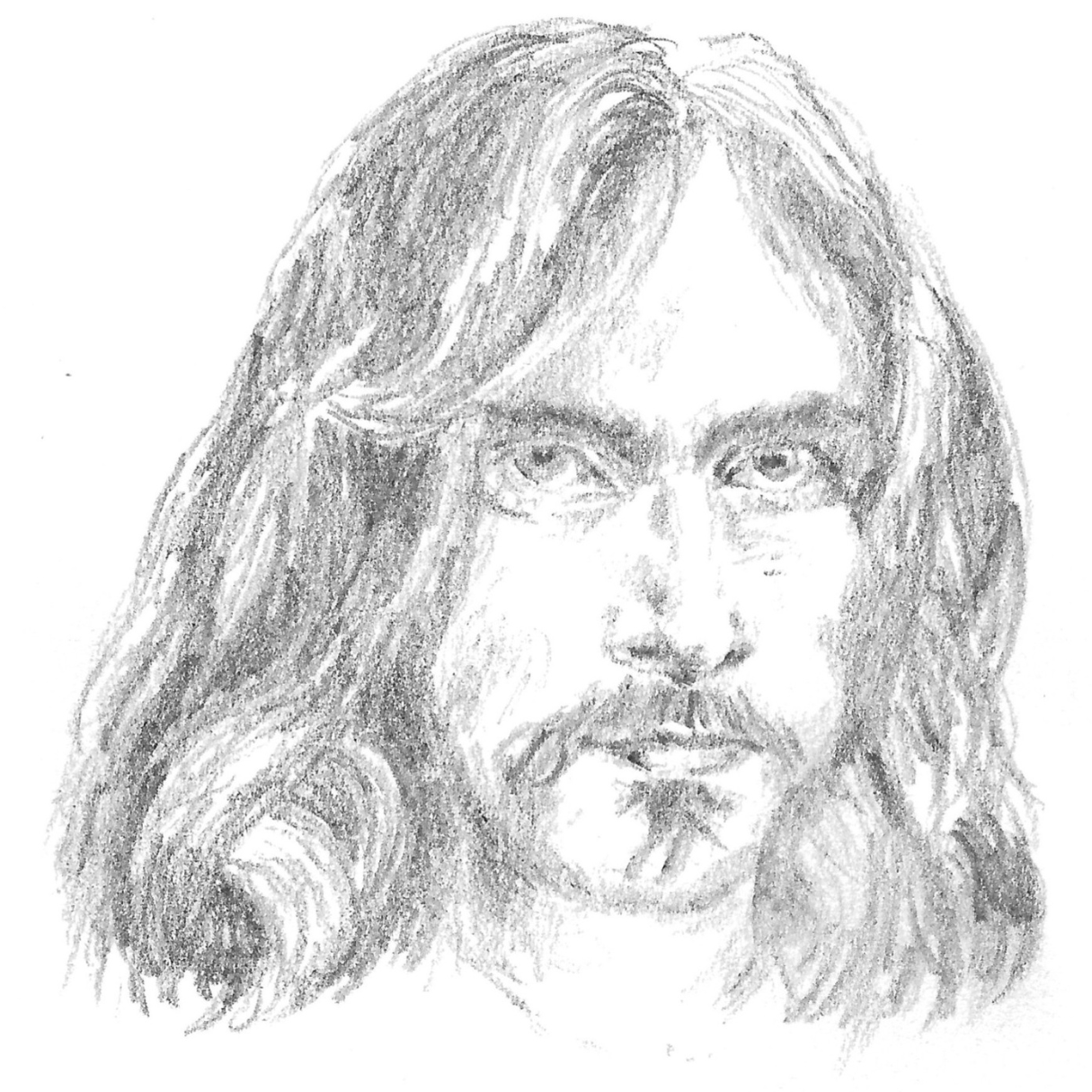
James Taylor
(1948–)
Millworker
‘You’ve got a Friend’ apart (which was written by Carly Simon anyway), James Taylor is here on the strength of one extraordinary performance of one extraordinary song that Bette Midler put across on a Parkinson show in 1978. She was hardly dressed for it, but this song, ‘Millworker’, is so well made, and her commitment so genuine and heartfelt, that the performance overcame the basque and the glitter. I think she remarked at one point that she was still coming to terms with how best to perform it – and there’s a lot in the song, it plays out like a dramatic monologue – but for me she nailed is, as surely as Glynis Johns did singing Stephen Sondheim’s ‘Send in the Clowns’ on the same show a few years before. (I’d watched that in the TV room at St John’s and it was a good thing I was alone because it so moved me, I started to sniffle.) But these are examples of the kind of song that is strong enough to work even without any acting. My pet peeve is the kind of singer who is technically adept but has no feel for the lyric or, worse, as demonstrated endlessly on BGT and similar, has no idea how to enunciate. Maybe they’ve learnt the lyrics online and assume everyone they’re singing to knows what they’re singing about. Those of us who are less avid readers of the Spotify lyrics page, if there is such a thing, need a bit more help. Listen to Jo Stafford’s crystal-clear pronunciation in ‘You Belong to Me’, for instance, then compare that to – well, anyone born this century for a start. They had a bit more respect for their audiences back in 1952.
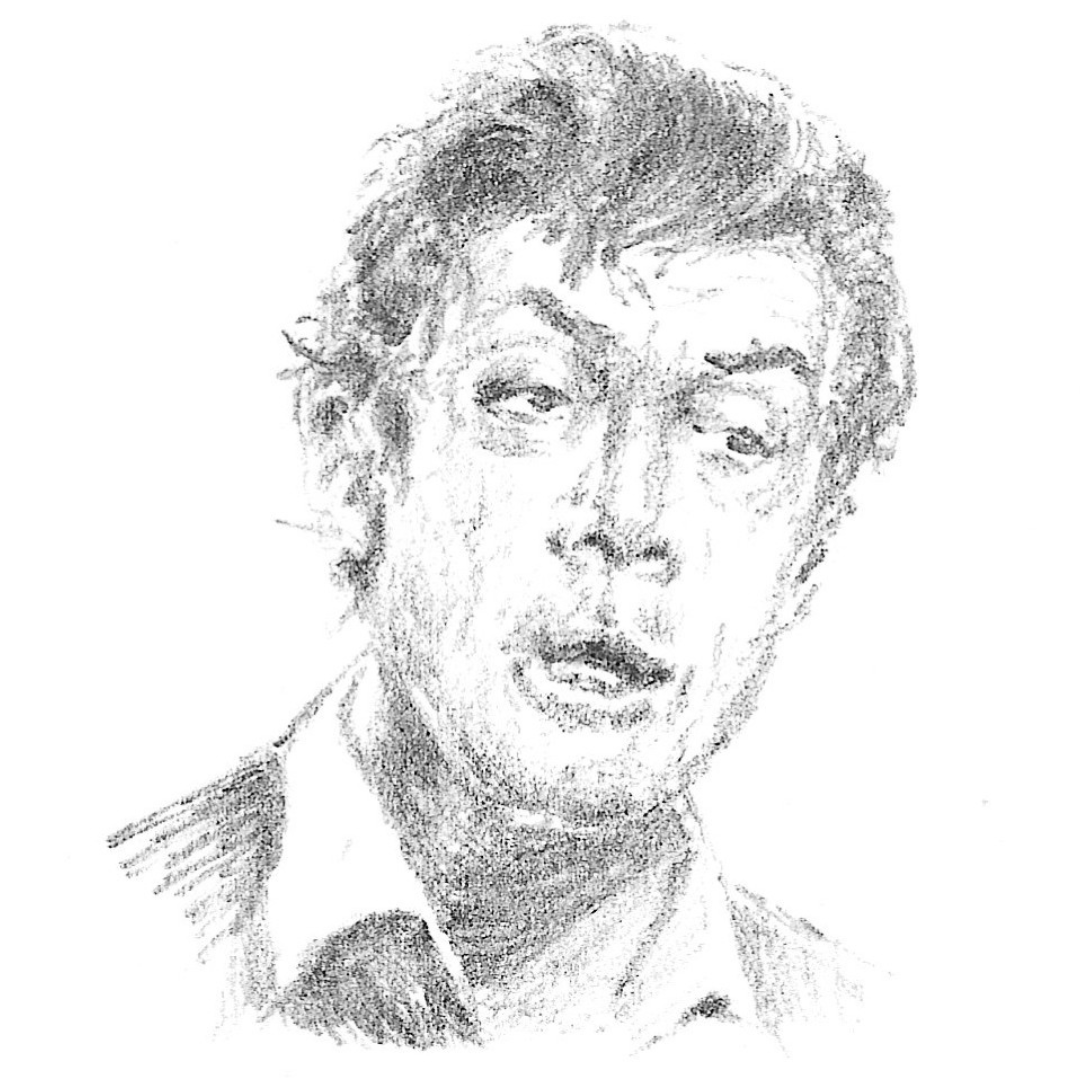
Jake Thackray
(1938–2002)
The Bull
The Songs section of this website contains a lot of references to the peerless Jake Thackray so I won’t repeat them all here, but the man was a marvel. It wasn’t just the mannered delivery, the deftness of the tunes, the fact that that dark, cool exterior obviously masked a hard head and a soft heart. It was the scope too, the sheer breadth of his themes and his mastery of tone. He could be serious and sad, he could be hilarious and vulgar, he could be witty and sophisticated, and he could often be all six in the space of a couple of lines. People who come new to The Beatles are often astonished to find the same geniuses behind ‘She Loves You’ and ‘Norwegian Wood’ and ‘Back in the USSR’ also wrote ‘Eleanor Rigby’ and ‘Yesterday’ and ‘Strawberry Fields Forever’. (Amazingly, there are still ‘reaction’ videos on YouTube of youngsters pretending to be listening to The Beatles’ canon for the first time and trying to earn brownie points by explaining how good they are. We know.) What the rest of us who are lucky enough to have been lifelong fans are less keen to acknowledge is that the ordinary fillers by The Beatles are little better than the makeweights of every other group which has released an album or two; it’s the good stuff being so much better than anyone else’s that makes them so special. But while Jake may have written less overall than The Beatles, his proportion of duffers was significantly smaller, and there was only one of him. And if all that wasn’t enough, he would often perform with one foot up on a stool while he strummed and sweated away. I tried it once. My hip gave out after four minutes.

Jimmy Webb
(1946‒)
MacArthur Park
…which is the title the composer wrote on the music score, so don’t ask me why Richard Harris distinctly calls it “MacArthur’s Park” throughout his powerful vocal rendition. Something to do with him being an actor and not a trained singer, people will tell you. He was the performer at the mic, giving the work to the world – maybe he was worrying how he was going to get up to that impossible high note at the end – while Jimmy Webb, no matter how many times he might have tried to correct him, was merely the writer, so what did he know? The song has been called bombastic and a mess, grossly bloated, far too long for radio play (probably because it goes through as many acts as a radio play), and full of such bizarre imagery that its overall meaning can’t be grasped. But the composer himself has said that every image is taken from life around the time he was involved in a doomed love affair largely played out in the eponymous San Franciscan green space. So, it’s just like ‘Penny Lane’ in Liverpool, in other words. And besides, even if you don’t like Jimmy Webb’s ‘Macarthur Park’ there’s always his ‘Up, Up and Away’, or ‘By the Time I Get to Phoenix’, or ‘Galveston’, with Glen Campbell’s fabulous guitar solo, or ‘Wichita Lineman’ with Glen Campbell’s fabulous guitar solo. (Just as well Richard Harris never got his sturdy second row forward’s fingers around that last one, he would probably have pronounced it ‘Wichita Linesman’, making it confusingly all about some abortive rugby tour of Kansas…).
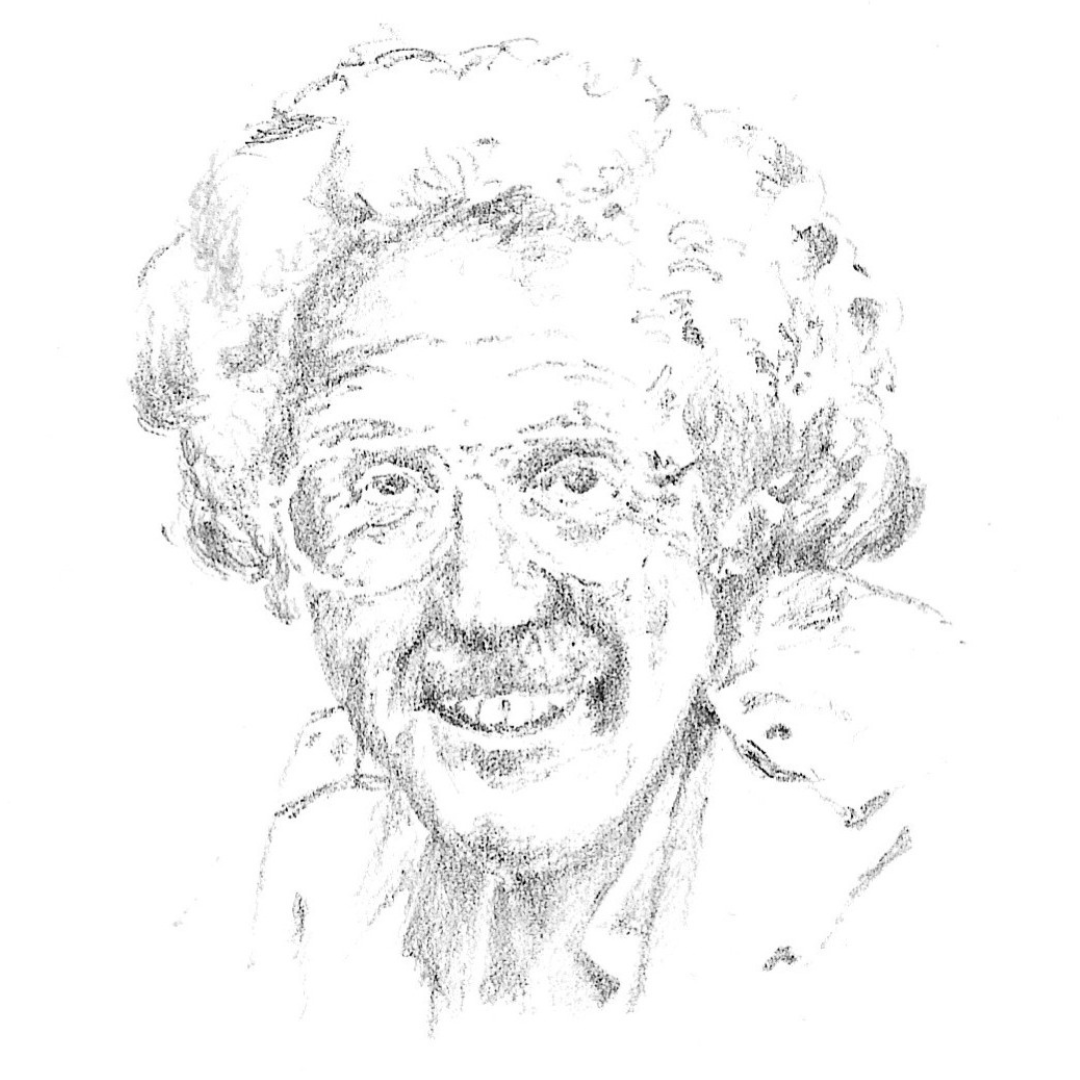
Fred Wedlock
(1942‒2010)
Talking Folk Club Blues
One of the best weapons any comic can deploy is a broad but attractive regional accent, whether assumed or natural. Think Glasgow’s Billy Conolly and Kevin Bridges, or the mockney Micky Flanagan, or Bolton’s peerless Peter Kay. And the suave Rowan Atkinson can bust out a wicked Geordie when he needs to: ‘Has anyone evah tawld yew that yew’re tha absolewt spittin’ image of that Mistah Bean?’ When I took my first teetering steps onto the St John’s College folk club stage I still had an accent like Fred Wedlock who, long before he gained fame with ‘The Oldest Swinger in Town’, was, like Adge Cutler, a local celebrity down Bristol way where I come from. Luckily I had learnt a couple of songs from Fred’s albums The Folker and Frollicks, and as long I retained his (our) accent to put them across, I got much the same laughs as he did in the live recordings, for which he must take the sole credit. ‘Talking Folk Club Blues’ belongs to that weird hybrid of song where you talk rather than sing the lyrics over a continuo guitar accompaniment, which to my relief turned out to be rather easier to do than I had anticipated. And fifty years on I bet I could still stand up and perform the whole thing from memory now. I remember Fred would occasionally turn up at Victoria Park Junior School while I was there in the sixties, maybe doing some teacher training before he became a full-time entertainer, and he used to tell us stories and sing us songs. I remember the gleam of his guitar in the Friday afternoon light and his short red hair. When he died at the stupidly young age of 67, St Mary Redcliffe church in Bristol, just ten minutes’ walk from the house where I was brought up in Bedminster, was packed. Quite right too. He was a kind and generous human being as well as a funny one, and I owe him a lot.